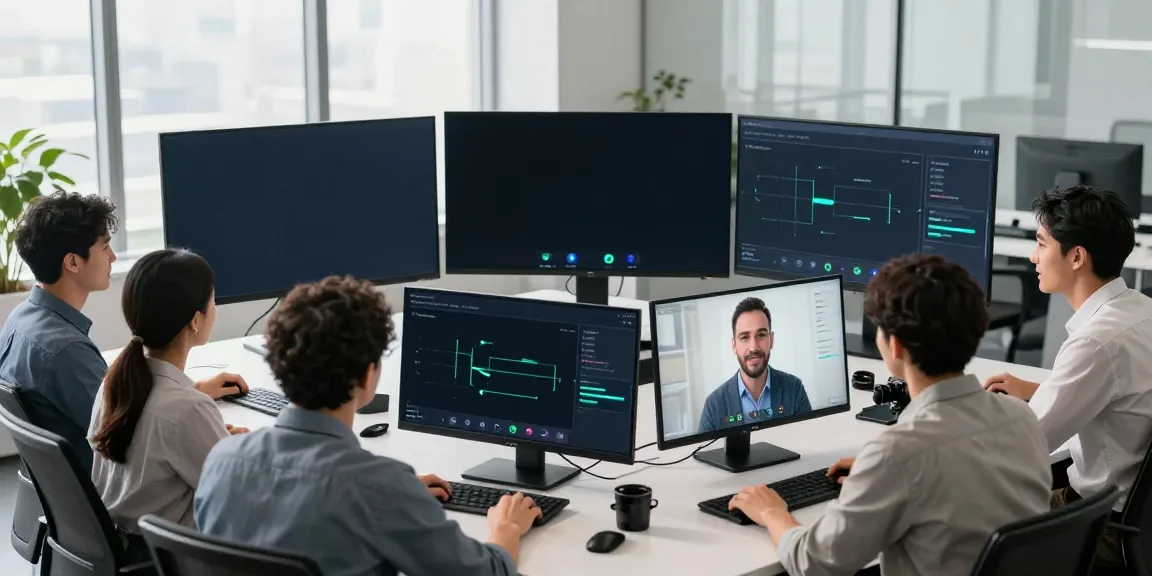
Understanding Motion App Alternatives
As technology continues to evolve, so too does the need for effective project management tools. One category gaining popularity is the "motion app," designed to streamline workflows and optimize time management. However, not every user finds that a single app meets their unique needs. This has led to a growing interest in Motion app alternative options that can offer similar functionalities and even unique advantages.
What are Motion App Alternatives?
Motion app alternatives are software options that provide capabilities akin to those of traditional motion scheduling applications. While these alternatives may not replicate every feature of the original, they often encompass a range of time management, task scheduling, and team collaboration tools, allowing users to select a solution that best fits their operational model.
Key Features to Look For
When assessing potential motion app alternatives, users should prioritize specific features that enhance productivity. Essential attributes often include:
- Task Management: A robust task management system that allows users to assign, prioritize, and track tasks seamlessly.
- Time Tracking: Efficient time tracking tools enable users to log hours against tasks and projects, improving accountability.
- Integrations: Integration with other platforms such as Google Calendar, Slack, or project management tools is crucial for maximizing functionality.
- Customizability: The ability to tailor the interface and workflows to suit individual or team preferences significantly enhances user adoption.
- Reporting and Analytics: Advanced analytics can help gauge productivity trends and identify time-draining activities.
Why Consider an Alternative?
There are several compelling reasons for users to consider alternatives to a motion app. One significant factor is versatility; some applications may cater specifically to niche markets or unique project workflows that a standard app does not. Additionally, factors such as pricing models, user interface satisfaction, and customer support quality can influence user decisions to look for alternatives. By exploring other options, users might discover tools that align more closely with their specific business requirements or personal preferences.
Comparing Functionality and Usability
Essential Functions of a Motion App Alternative
Functionality is often at the forefront of user's minds when evaluating motion app alternatives. Essential functions that users should look for include:
- Dynamic Scheduling: The ability to adjust schedules and allocate time slots dynamically, accommodating new priorities and projects.
- Collaboration Features: Tools that enhance teamwork, allowing for shared task lists, comments, and real-time updates.
- User-Friendly Interface: An intuitive user interface that minimizes the learning curve for new users is crucial for quick adoption.
- Mobile Access: Mobile-friendly platforms that allow users to manage schedules and tasks on-the-go are increasingly important in a remote working environment.
User Interface Considerations
A well-designed user interface (UI) is integral to the user experience in any application. When considering motion app alternatives, it is vital to assess how intuitive and engaging the UI is. Look for slight details such as color schemes, layout intuitiveness, and how information is presented. A clear UI can lead to improved user satisfaction and increased efficiency, while a cluttered layout can lead to frustration and hinder productivity.
Accessibility Features in Alternatives
Another consideration is the accessibility of alternative motion apps. Applications that prioritize accessibility will accommodate users with a range of disabilities, improving inclusivity. Key features might include:
- Screen Reader Compatibility: Ensuring the app is compatible with screen readers helps visually impaired users navigate effectively.
- Keyboard Navigation: Shortcuts and navigation options that don’t rely solely on mouse functionality are essential for users with mobility impairments.
- Customizable UI Elements: Offering users the ability to alter font sizes and color contrasts enhances the overall user experience.
Cost Analysis of Motion App Alternatives
Understanding Pricing Models
Pricing formats among motion app alternatives can vary widely. Standard models include fixed pricing, subscription-based payments, tiered services, and freemium options where basic features are free with advanced functionalities available at a price. Users should evaluate which model presents the best value for their organizational needs while factoring in user count and required feature sets.
Value for Money in Alternatives
Evaluating value for money involves assessing the features offered by an alternative against its price. A lower-cost option that severely lacks in functionality may not always be the best financial decision. Users should conduct a detailed analysis, perhaps utilizing feature comparison charts, to visualize how alternatives stack up against one another regarding value.
Free vs. Paid Options
Many motion app alternatives offer both free and paid versions. Free options often come with limitations in features, user numbers, or storage capacities, yet can be suitable for individual users or small teams. Conversely, paid versions typically unlock advanced features and provide broader support, making them ideal for larger organizations or those with specific needs.
Real-World Examples of Motion App Alternatives
What Users Say About Their Experiences
User feedback is an invaluable component in evaluating motion app alternatives. By exploring reviews and testimonials, potential users can gain insight into the practical performance, usability, and customer support of various tools. Real-world experiences often highlight both strengths and weaknesses that may not be evident through feature lists alone.
Success Stories with Alternatives
Whether it’s a small business or a large enterprise, success stories document the tangible benefits experienced by users of motion app alternatives. Many organizations have reported increased productivity, improved collaboration, and streamlined processes after switching to an alternative app. Documented case studies can serve as inspiring proof of concept for hesitant users considering a transition.
Industry-Specific Recommendations
Different industries may have unique needs when it comes to motion app alternatives. For example, creative agencies might prioritize collaboration features and visual planning, while tech teams may need strong integrations with code repositories. Tailored recommendations per industry can help users identify which alternative aligns best with their specific operational tasks.
FAQs about Motion App Alternatives
What is a Motion app alternative?
A Motion app alternative is a software solution that offers similar functionalities to a traditional motion scheduling application to help users manage time and tasks effectively.
How do I choose the best alternative?
Choosing the best alternative involves evaluating functionality, pricing models, user interface, accessibility features, and considering user feedback, ensuring it aligns with your specific needs.
Are all alternatives easy to use?
While many alternatives aim for user-friendliness, ease of use can vary widely; a trial run or demo can help ascertain if a specific app meets your usability expectations.
What features should I prioritize?
Prioritize features relevant to your workflow, such as task management capabilities, integration options, mobile access, and reporting functionality based on your specific needs.
Can I find free motion app alternatives?
Yes, many motion app alternatives offer free versions with limited features, suitable for individuals or small projects while considering paid options for more robust capabilities.