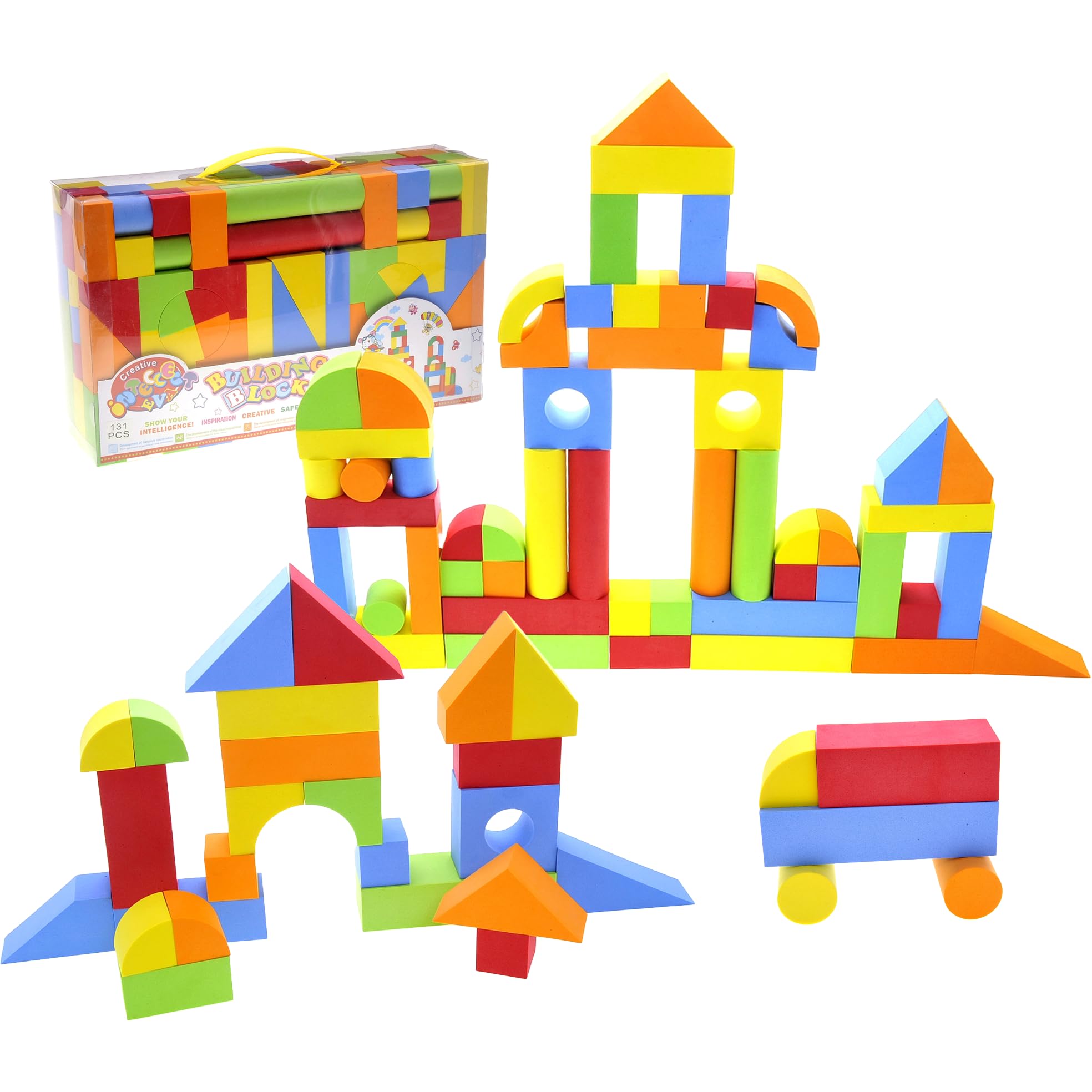
The Joy of Building: Why Giant Blocks Matter
Building with giant blocks offers kids a unique opportunity to explore their creativity and enhance their physical and cognitive skills. With each stack and structure, they engage in a fulfilling experience that fosters personal growth and development. From understanding the concepts of balance and gravity to enhancing fine motor skills, this form of play is essential to childhood developments. Those interested in extensive details about large building blocks for kids can discover more.
Understanding Developmental Play
Developmental play is crucial for nurturing a child's growth in multiple domains. As young builders interact with giant blocks, they embark on a journey of self-directed discovery. This type of play promotes autonomy in learning, allowing children to experiment with different building techniques. These blocks encourage problem-solving skills, as kids assess how to create stable structures and navigate challenges like weight distribution and material selection.
Benefits of Physical Activity
Engaging with giant blocks isn't just about creativity; it also offers significant physical benefits. Children must use their muscles to lift, move, and balance blocks, which enhances gross motor skills and coordination. As they engage in physical activity, endorphins are released, contributing to emotional well-being and reducing stress. Furthermore, this activity can help improve posture and strength, laying the foundation for a health-conscious lifestyle as they grow.
Fostering Imagination and Creativity
Imagination flourishes in the presence of versatile materials like giant building blocks. Children can construct everything from simple towers to imaginative castles and cities. They learn to visualize their ideas and bring them to life through physical creation. This fosters not only artistic expression but also critical thinking, as they conceptualize new forms, experiment with designs, and overcome obstacles in their building endeavors.
Choosing the Right Giant Building Blocks
Different Materials and Their Properties
When selecting giant blocks, parents should consider the materials and their properties. Common materials include wood, plastic, and foam. Wooden blocks are durable and provide substantial weight, creating solid structures but may be less safe for younger children. Plastic blocks are lightweight, easy to clean, and safe for younger kids, though they may not offer the tactile experience of wood. Foam blocks provide a safe and soft option, perfect for younger children who are still developing their motor skills.
Size Matters: Finding the Perfect Fit
Size plays a significant role in the play experience. Larger blocks often encourage collaborative building and can hold attention longer, but they might be cumbersome for smaller hands. Conversely, smaller blocks allow for intricate designs but may not attract the interest of very young children. Choosing a balance of sizes is essential. Mixed-size sets can cater to various ages and abilities, ensuring everyone finds a block that suits them.
Budget-Friendly Options for Every Parent
Budget constraints shouldn't hinder access to quality play materials. Many companies offer affordable options that don't compromise on quality. Parents can explore second-hand markets, local swaps, or educational sales to acquire gently used blocks. DIY giant blocks can also be an exciting project; using foam insulation, wood scraps, or even repurposed materials can provide a fun and eco-friendly building solution.
Designing an Epic Indoor Play Space
Safety Considerations for Play Areas
Creating a safe play environment is paramount. Consider non-toxic materials for blocks, especially if children are younger. Regularly check for sharp edges or wear and tear. The play area should be spacious enough for kids to maneuver but not so expansive that supervision becomes difficult. Soft flooring options, like foam mats, can help cushion falls and enhance safety while enhancing comfort during playtime.
Organizing and Storing Your Blocks
Organization fosters a constructive play atmosphere. Use bins, shelves, or drawers to keep blocks accessible and orderly. Labeling storage spaces can empower children to assist in clean-up routines. Moreover, displaying blocks creatively can serve as decor while sparking interest in imaginative play at a glance. Clear storage options also allow for visibility, enticing children to engage with the materials.
Incorporating Themes and Decorations
Theme-based play can significantly boost engagement. Consider including decorations around certain themes, such as nature, space, or fantasy, to inspire different building projects. Adding props like small figures or vehicles enhances storytelling possibilities. Encourage children to create structures that complement the themes, thus blending creativity with learning in a fun environment.
Inspiring Building Ideas for Kids
Simple Projects for Beginners
Starting with small, achievable projects can give children the confidence to explore their creativity. Ideas like building a simple tower or a one-room structure can help them grasp basic principles of building. As they master these projects, they can transition into slightly more complex designs such as bridges or small houses. The key is to celebrate their achievements to encourage continuous engagement.
Challenging Structures for Older Kids
For older children, more intricate projects can be launched. Encouraging them to replicate architectural wonders like a miniature version of famous skyscrapers or bridges taps into their growing cognitive skills. This is also an excellent opportunity for parents to introduce concepts such as balance, angles, and symmetry in a hands-on manner, merging education with fun seamlessly.
Collaborative Building Activities
Building together can significantly enhance social skills. Organize group activities where children can collectively create larger structures, emphasizing teamwork. For instance, dividing tasks where some children build the base while others create decorative elements fosters cooperation. Collaboratively navigating challenges, like building a structure that can withstand an earthquake simulation, is both an educational and fun experience.
Tips for Encouraging Group Play and Interaction
Understanding Social Dynamics in Play
Understanding how children interact in group settings is crucial for guiding effective play. Observations show that children learn various social skills through play that includes sharing, negotiating, and even leadership. Establishing roles within building tasks can help children understand their responsibilities and the importance of cooperation. Encouraging these dynamics embodies some of the most rewarding aspects of play.
Facilitating Communication Among Kids
Effective communication is the backbone of successful team play. Encouraging children to articulate their ideas during building fosters not only verbal skills but also active listening. Initiate discussions about what each child envisions for their structures and how they can work together. Incorporating gesture-based communication can also be beneficial, especially for younger kids still mastering language skills.
Creating Team-Based Building Challenges
Setting up fun competitive challenges can stimulate engagement and excitement. Initiate events where teams are tasked with building the tallest structure or one able to support the most weight. Such challenges can teach kids about design flaws, resilience, and problem-solving under pressure. Establishing mini-competitions in a fun atmosphere promotes enthusiasm while deepening their understanding of teamwork.
Frequently Asked Questions
What age are giant building blocks suitable for?
Giant building blocks are typically suitable for children aged 2 and older. Always ensure younger kids are supervised to prevent accidental injuries.
How can building blocks aid in child development?
Building blocks enhance fine motor skills, promote creativity, and boost cognitive development through problem-solving and critical thinking in children.
Are foam blocks safe for indoor play?
Yes, foam blocks are soft and lightweight, making them safe for indoor play, especially for younger children who are still mastering coordination.
Can I use homemade blocks for building activities?
Absolutely! Homemade blocks made from safe, non-toxic materials can be a fun and creative way to enhance play while being budget-friendly.
How should I store my building blocks?
Store building blocks in clear bins or shelves labeled appropriately. Keeping them organized helps kids learn to clean up while making blocks easily accessible for play.