Understanding Queue Detection Software
Definition and Importance
Queue detection software is a critical technological solution designed to monitor and manage queues effectively in various environments—from retail stores to transportation hubs. By utilizing advanced algorithms and real-time monitoring capabilities, this software can provide valuable insights into traffic flow, predict congestion, and enhance operational efficiency. As businesses increasingly seek to improve customer experiences and optimize resource allocation, the role of queue detection software has become more central than ever.
As competition intensifies, businesses can implement queue detection software to gain a competitive advantage. It removes uncertainty surrounding customer wait times and optimizes service delivery—essential for retaining customers and boosting satisfaction levels.
Types of Queue Detection Solutions
Queue detection software can be categorized into several types based on their application and functionality:
- Video Analytics Based Solutions: Utilize cameras and computer vision to analyze video footage to identify and track individuals in queues.
- Sensor-Based Solutions: Employ various sensors to measure the length of queues, detect waiting times, and monitor the flow of individuals.
- Mobile Queue Management Systems: Allow customers to join queues virtually via smartphones, providing a seamless service experience.
- Integrated Environmental Systems: Combine queue detection with other operational systems to provide holistic insights, enabling data-driven decision-making.
Key Features to Look For
When evaluating queue detection software, consider the following key features:
- Real-Time Monitoring: Capability to provide immediate feedback and status updates regarding queue lengths and wait times.
- Data Analytics: Advanced reporting tools that summarize data trends over time to inform better strategic planning.
- User-Friendly Interface: Intuitive dashboards that make it easy for staff to operate the system and interpret analytics.
- Scalability: Ability to adapt the system to fit different sized operations or increase capacity during peak times.
- Alerting Mechanisms: Notifications for staff regarding capacity limits or long wait times to allow immediate action to improve service.
How Queue Detection Software Works
Technology Behind Queue Detection
At the core of queue detection software lies sophisticated technology, primarily driven by artificial intelligence (AI) and machine learning algorithms. These algorithms work by processing visual data from cameras or signals from sensors to detect and analyze queue dynamics. For instance, video analytics can leverage deep learning models to identify people within a visual field, thereby assessing line lengths and the speed of customer flow.
Real-Time Data Processing
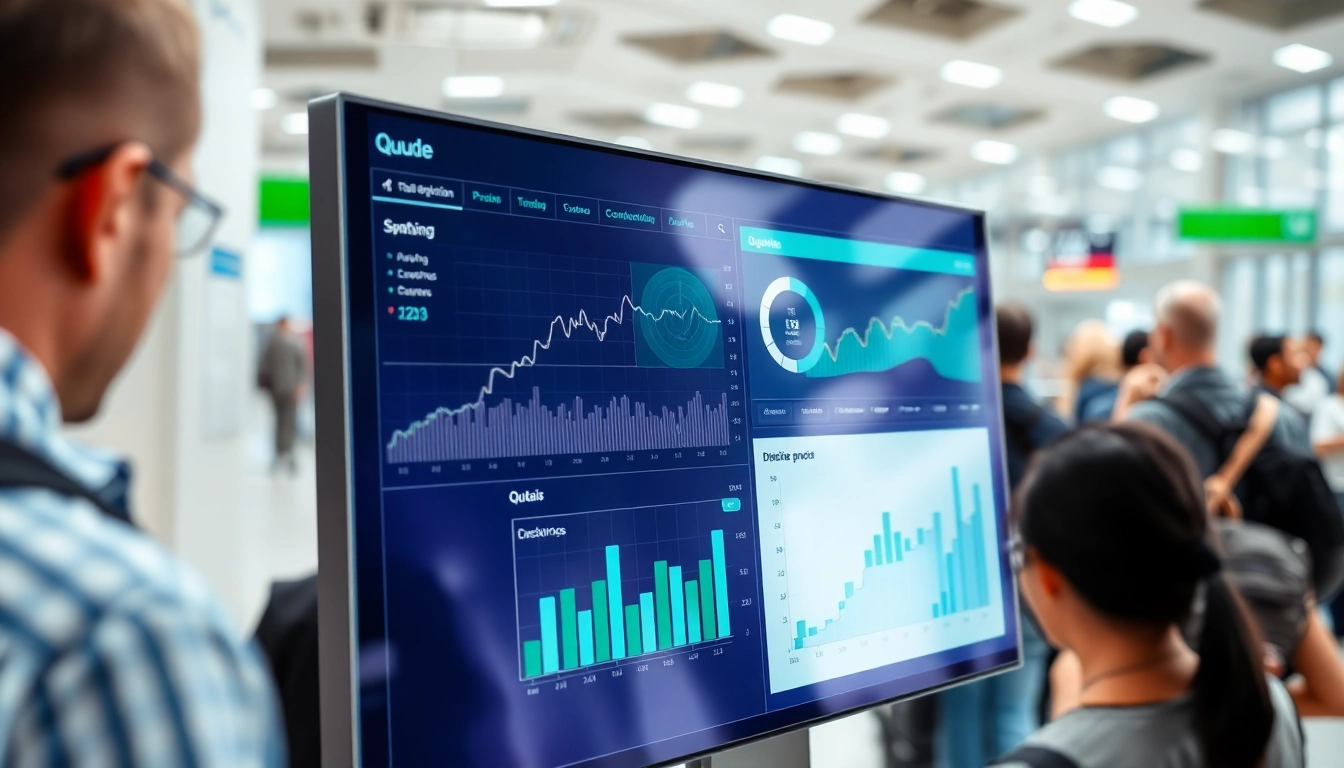
Queue detection software processes data in real time, enabling immediate reporting and visualizations of queue statuses. Once data is gathered, it is analyzed to produce actionable insights. Businesses can view real-time updates through dashboards, allowing them to make swift decisions in operational management, ultimately enhancing customer experience and satisfaction.
Integration with Other Systems
One of the significant advantages of modern queue detection software is its ability to integrate seamlessly with other business systems such as customer relationship management (CRM), point of sale (POS), and scheduling systems. Effective integration allows organizations to unify data sources, gain comprehensive insights, and manage customer flows efficiently.
Benefits of Implementing Queue Detection Software
Operational Efficiency and Time Management
Implementing queue detection software can dramatically enhance operational efficiency. With the ability to monitor wait times and queue lengths, managers can allocate resources more effectively, such as deploying staff to high-demand areas at peak times. This proactive management helps minimize wait times, which is crucial for maintaining operational effectiveness and improving customer service.
Improved Customer Experience
Perhaps one of the most critical benefits of queue detection software is the marked improvement in customer experience. By streamlining service operations and reducing perceived wait times, businesses can create a more pleasant environment for their customers. This increased focus on customer experience can lead to higher customer retention and loyalty.
Data-Driven Decision Making
Data insights originating from queue detection software facilitate informed decision-making. By analyzing historical data regarding customer flows and queue lengths, businesses can identify patterns, forecast demand, and develop strategic initiatives to enhance overall service delivery. Ultimately, these insights help organizations stay ahead of the competition and continuously improve their services.
Challenges in Queue Detection Software Adoption
Technical Integration Issues
One of the prominent challenges organizations face during the adoption of queue detection software is the seamless integration with existing systems. Potential disruptions can arise if the software does not sync correctly with current operational tools, leading to unexpected downtimes or data silos. Companies should conduct a thorough assessment of compatibility before choosing a solution.
Data Privacy Concerns
As with any technology that monitors individuals, data privacy is a significant concern. Stakeholders must ensure compliance with relevant regulations and maintain transparent communication with customers about data usage. Implementing strong data protection measures and obtaining necessary consents can mitigate these concerns effectively.
User Training and Adoption
User training is essential for successful implementation. Staff must receive adequate training to adapt to new technologies confidently. Providing resources, guidance, and ongoing support can help minimize resistance to change, enabling smoother transitions to queue detection software solutions.
Future Trends in Queue Detection Software
AI and Machine Learning Enhancements
The future of queue detection software lies significantly in artificial intelligence and machine learning advancements. Future algorithms will likely improve predictive capabilities, accurately forecasting busy periods and dynamically optimizing service based on real-time data.
Increased Mobility Solutions
As mobile technology continues to develop, expect to see more mobile solutions for queue management. Applications that allow customers to engage remotely with queue systems will become increasingly prevalent, enabling users to retain control over their wait times conveniently.
Personalization in User Interfaces
Future queue detection systems are expected to incorporate more personalized user experiences. Tailoring interfaces to accommodate specific user needs enhances interaction, improving usability and engagement levels in the software.
FAQs
What is queue detection software?
Queue detection software monitors customer lines in real time, optimizing service delivery and improving customer experiences by providing insights into wait times and traffic flow.
How does it work?
The software utilizes advanced algorithms, often powered by AI, to analyze visual data from cameras or sensor signals to assess and monitor queue lengths and wait times dynamically.
What are the key benefits?
Benefits include enhanced operational efficiency, improved customer satisfaction, real-time data analysis, better resource allocation, and informed decision-making capabilities.
What technology is used?
Queue detection software uses a combination of video analytics, machine learning algorithms, and sensor technology to provide accurate monitoring and reporting of queue dynamics.
Are there privacy concerns?
Yes, there are privacy concerns as the software often monitors individuals. Organizations must ensure compliance with data protection regulations and maintain transparency with customers about data usage.