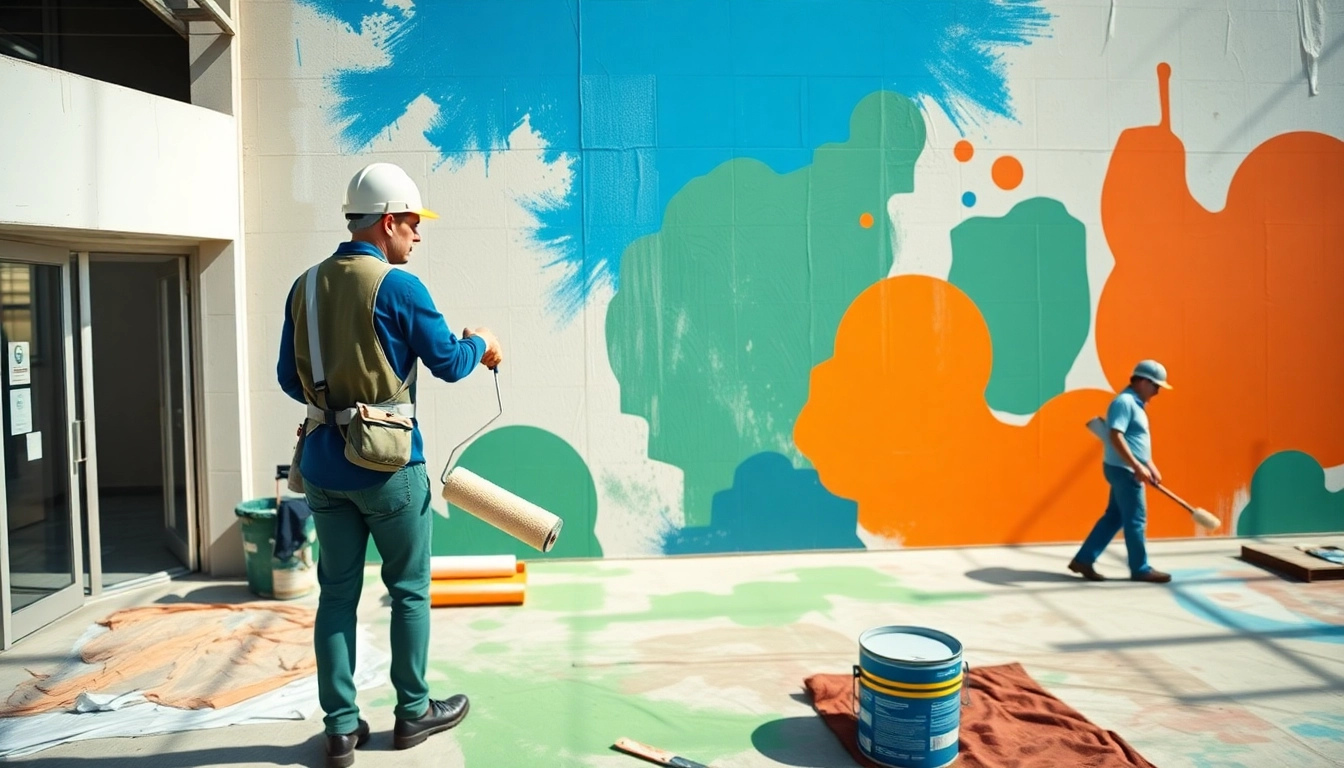
Understanding Commercial Painting: What It Is
The Definition of Commercial Painting
Commercial painting is a specialized service that focuses on painting large-scale projects in business environments. This discipline encompasses various surfaces, including walls, ceilings, and exteriors of commercial properties. Unlike residential painting, where personal preferences drive choices, commercial painting is often directed by branding, functionality, and compliance demands. Whether it's a store, restaurant, office, or any business establishment, the right commercial painting can significantly impact the environment and customer perception.
Different Types of Commercial Painting Services
Commercial painting services can be divided into several categories based on the nature and scope of the projects. Common types include:
- Interior Painting: This includes all aspects of painting the inside of a commercial property, aiming to improve aesthetics and durability.
- Exterior Painting: This service focuses on enhancing the building’s curb appeal while protecting against weather elements.
- Industrial Painting: Specialized work often found in factories or warehouses, requiring heavy-duty paints suitable for high-traffic areas.
- Specialty Coatings: This includes textured finishes, faux painting, and protective coatings designed for specific needs and environments.
Importance in Business Environments
The importance of commercial painting in business environments goes beyond aesthetics. A well-executed paint job can boost employee morale, enhance customer experiences, and reinforce a brand's identity. Colors can evoke emotions, which is why understanding the psychological impact of color choices is crucial. Moreover, maintaining a fresh and professional look contributes to an organization’s overall reputation and can even influence customer behavior.
Benefits of Professional Commercial Painting
Enhancing Aesthetic Appeal
Aesthetics play a pivotal role in attracting customers and retaining employees. Professional commercial painting services offer a range of colors and finishes that can transform a dull space into a vibrant one. High-quality paints not only enhance the look but also provide a lasting finish that withstands wear and tear, ensuring the business maintains a polished appearance over time.
Protecting Your Investment
Investing in professional commercial painting is a proactive approach to property maintenance. High-quality paints provide a protective barrier against moisture, mold, and other environmental factors that can affect the integrity of the building. Regular maintenance through professional painting can prevent costly repairs in the long run, thereby safeguarding your investment and ensuring longevity.
Improving Brand Image Through Color
Color is a powerful element of branding. It shapes associations and perceptions of a brand. Commercial painting allows businesses to communicate their brand message through strategic color choices that resonate with their target audience. For instance, a calm blue may be suitable for a financial institution, while a vibrant red could energize a retail space. The right color selection plays a crucial role in memorability and brand loyalty.
Best Practices for Commercial Painting Projects
Choosing the Right Paint and Finish
The selection of paint and finish is critical in commercial painting projects. Different environments require different paint types; for example, glossy finishes are more appropriate for high-traffic areas, while matte finishes can enhance aesthetics in low-use environments. Additionally, choosing eco-friendly paints can improve indoor air quality and resonate with environmentally conscious customers.
Preparing the Surface for Quality Results
Preparation is key to achieving a high-quality finish. Tasks such as cleaning surfaces, patching holes, and sanding are essential steps that ensure paint adheres properly and provides a uniform appearance. Neglecting surface preparation can lead to paint peeling, chipping, and an overall subpar finish, making it essential to invest time and effort into this critical phase.
Workplace Safety Standards in Painting
Safety should never be compromised during painting projects. Adhering to workplace safety standards, such as wearing proper protective gear and ensuring adequate ventilation, is vital. Training for painters on the correct use of equipment and materials can prevent accidents and ensure compliance with regulations. Additionally, implementing safety measures not only protects employees but also maintains a smooth workflow.
Challenges in Commercial Painting and Solutions
Dealing with Environmental Factors
Environmental factors such as humidity, temperature fluctuations, and lighting can significantly affect painting projects. To mitigate such challenges, planning painting schedules around favorable weather conditions is advisable. Using advanced coating technologies that adapt to challenging environments can also ensure the project’s success despite unpredictable conditions.
Managing Project Timelines
Time is often of the essence in commercial projects, as downtime can lead to revenue loss. Establishing clear timelines, communicating expectations, and employing efficient project management techniques can help maintain progress. Additionally, having contingency plans for delays can ensure minimal disruption to business operations, keeping the project on track.
Handling Difficult-to-Paint Surfaces
Difficult surfaces such as metal, glass, and textured walls require specialized techniques and applications. Utilizing the right primers and paints designed for specific materials is essential. Engaging experienced professionals who understand these challenges ensures that suitable methods are employed, leading to better results and reduced rework.
Measuring Success in Commercial Painting Projects
Client Satisfaction Metrics
Client satisfaction is a vital metric for assessing the success of a commercial painting project. Surveys, feedback forms, and direct conversations can provide insights into customer expectations and experiences. Regular follow-ups post-project completion can help maintain relationships and encourage repeat business.
Assessing Durability of Workmanship
Evaluating the durability of the paint job is crucial. Regular inspections can help identify areas of wear and tear, allowing for timely maintenance. Establishing a routine maintenance schedule ensures that high-quality standards are maintained over time, reflecting positively on the professionals who executed the project.
Post-Project Maintenance Tips
Post-project maintenance is essential for preserving the quality of the paint work. Simple strategies such as regular cleaning, addressing minor scratches or damages immediately, and using touch-up paints can maintain the aesthetic and protective qualities of the paint job. Providing clients with maintenance guides can enhance their satisfaction and prolong the lifespan of the work.
FAQs
1. What is commercial painting?
Commercial painting refers to the painting services specifically tailored for business environments, covering various types of properties and surfaces.
2. How often should commercial properties be painted?
Typically, commercial properties should be repainted every 5 to 7 years, depending on wear conditions and environmental factors.
3. Can I choose any color for my commercial painting project?
While you can choose any color, it's essential to consider the psychological impact and brand identity associated with different colors.
4. What factors affect the cost of commercial painting?
Costs can vary based on project size, surface material, paint type, and labor, among other factors.
5. Is professional painting worth the investment?
Yes, professional painting ensures quality, durability, and aesthetic enhancement, ultimately protecting your investment and improving brand perception.
Contact Information
Address:Branam Brushworks LLCCall Us:+12076168892