Understanding Research Peptides
The Science Behind Peptide Synthesis
Peptides, short chains of amino acids, are pivotal in various biological processes, acting as hormones, signalling molecules, and enzymes. The synthesis of peptides can be executed through chemical methods or biological routes such as recombinant DNA technology. In research settings, solid-phase peptide synthesis (SPPS) is predominant due to its efficiency and versatility. The synthesis process includes several steps, including amino acid activation, coupling, and deprotection, which together yield high-purity peptides essential for effective research outcomes.
Common Applications in Research
Research peptides have diverse applications across various fields, particularly in biochemistry and pharmacology. They are utilized in drug development, particularly for targeting specific biological systems or diseases. Furthermore, peptides play a crucial role in vaccine development, diagnostic tools, and therapeutic agents. Their ability to bind selectively to specific receptors makes them useful in understanding cellular mechanisms and developing targeted therapies, thereby opening new avenues for medical research.
Benefits of Using Quality Peptides
The utilization of high-quality peptides is paramount in research. Quality peptides ensure reproducibility of experiments, which is vital for validating scientific results. They provide more accurate data and can lead to better insights and advancements in research outcomes. Moreover, using high-purity peptides reduces the risk of contamination and potential side effects during experimentation, enhancing overall project reliability. A thorough understanding of peptide quality also aids researchers in making selections for specific applications.
Importance of Bacteriostatic Water
What is Bacteriostatic Water?
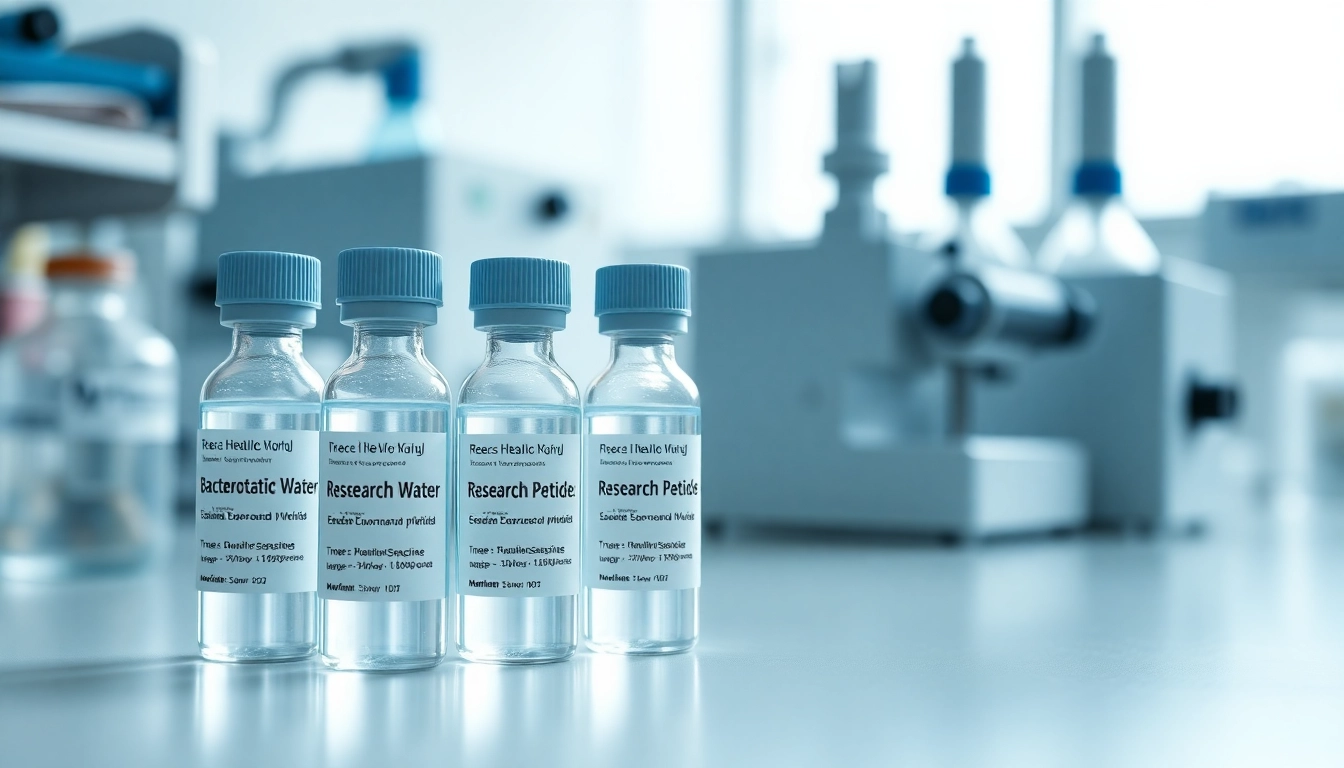
Bacteriostatic water is sterile water that contains a small amount of benzyl alcohol, which acts as preservative. This formulation is particularly important in maintaining the integrity of peptides. Its bacteriostatic properties make it ideal for diluting and reconstituting peptides for research applications. By inhibiting the growth of bacteria, bacteriostatic water extends the shelf life of reconstituted peptides, making it a practical choice for laboratories that require consistency in results.
How Bacteriostatic Water Preserves Peptides
The preservation of peptides in bacteriostatic water is critical for maintaining their functionality and effectiveness. Upon reconstitution, peptides can be sensitive to microbial contamination, which can lead to degradation. The benzyl alcohol in bacteriostatic water inhibits microbial growth, thus protecting the peptide's structural integrity and biological activity for a longer period. Hence, using bacteriostatic water helps ensure that peptides remain viable and effective throughout the research process.
Choosing the Right Bacteriostatic Water
When selecting bacteriostatic water for research, several factors should be considered. The sterility, pH level, and formulation should match the specific needs of the peptides being utilized. It is crucial to buy bacteriostatic water from reliable sources to ensure that it meets quality standards. Researchers should always check the expiration date and storage conditions to ensure optimal performance. Additionally, using bac water for peptides guarantees that the water used is suitable for maintaining peptide integrity.
Storage and Handling Procedures
Best Practices for Peptide Storage
The stability of peptides is significantly affected by how they are stored. Ideally, peptides should be kept in a cool, dry environment away from light and moisture. Typically, they are stored at -20°C or lower in a freezer. Additionally, using airtight containers can prevent moisture absorption and degradation. Importantly, researchers should not repeatedly thaw and refreeze peptides, as this could impact their stability and activity over time. Following these storage guidelines is essential for maintaining the quality of research peptides.
Safe Handling of Bacteriostatic Water
Proper handling of bacteriostatic water is imperative to ensure safety and peptide integrity. Always use aseptic techniques when withdrawing bacteriostatic water to minimize contamination risks. It’s important to use sterile syringes and avoid contact between the water and any unsterilized surfaces. Once opened, bacteriostatic water should be used within a specified time frame to maintain sterility and effectiveness, usually guided by manufacturer instructions. Adhering to these practices can help prevent inadvertent contamination and degradation.
Understanding Expiration and Shelf Life
Bacteriostatic water, like all chemicals, has a defined shelf life that can be influenced by storage conditions and packaging. Typically, the expiration date is marked on the bottle, and it is crucial to adhere to it. Once opened, the water should generally be used within 28 days for optimal effectiveness, although this can vary based on specific supplier guidelines. Regularly checking for changes in appearance, such as turbidity or precipitate, is also recommended, as this can indicate contamination or degradation.
Potential Challenges in Peptide Research
Common Contaminants and How to Avoid Them
Contamination is one of the most significant challenges in peptide research. Common contaminants include bacteria, fungi, and chemicals that can alter peptide structure and function. To mitigate these risks, researchers should implement strict aseptic protocols during peptide handling and preparation. Regular audits of laboratory environments, cleanliness checks, and proper waste disposal should also be maintained. Additionally, using high-quality bacteriostatic water contributes to reducing contamination risks, ensuring integrity in research results.
Stability Issues and Their Implications
Peptides are inherently sensitive to various external factors such as temperature, pH, and light. Instability can lead to degradation and loss of activity, which is detrimental to research outcomes. To counteract these issues, using appropriate storage methods, including lyophilization and careful temperature control, is crucial. Researchers should also be aware of the specific stability profiles of the peptides being used, enabling them to develop tailored storage and handling strategies that maintain peptide integrity.
Regulatory Considerations for Research Peptides
Research involving peptides must adhere to certain regulatory guidelines to ensure that all experiments are conducted ethically and safely. These regulations may vary based on the region and the specific application of the peptides. Researchers should familiarize themselves with regulations concerning peptide synthesis, usage in studies, and ultimately, their applications in human medicine. Keeping comprehensive documentation and ensuring compliance with institutional protocols will not only safeguard the research but also enhance its credibility.
Future of Peptide Research
Emerging Trends in Peptide Applications
As peptide research continues to advance, new applications are emerging, particularly in the fields of biotechnology and therapeutics. Innovative uses of peptides in targeted drug delivery systems and personalized medicine are gaining traction, with ongoing research establishing their efficacy in treating complex diseases. Furthermore, advancements in peptide sequencing and synthesis technologies allow for the customization of peptides tailored to specific biological targets. These trends indicate a shift towards more effective and niche therapeutic strategies.
Innovations in Peptide Storage Solutions
The future of peptide research is also closely tied to innovations in storage solutions. Developments in packaging materials that prevent moisture and light exposure are being explored, as well as advancements in specialized refrigeration technologies that stabilize peptides. Additionally, research on nanomaterials for peptide delivery is progressing, potentially enhancing stability during storage and transport. These innovations are crucial for maintaining peptide integrity and efficacy throughout their lifecycle.
Predictions for the Next Decade in Peptide Research
Looking ahead, it’s predicted that peptide research will lead to breakthroughs in various therapeutic areas including oncology, metabolism, and regenerative medicine. The increasing focus on biologics will drive further innovation, leading to the development of multi-functional peptides with broad therapeutic potential. Enhanced computational methods for peptide design are expected to refine drug discovery, paving the way for more targeted and less toxic treatments. Continual advancements in technology and methodology will shape an exciting future for peptide-related discoveries.
Frequently Asked Questions
1. How should bacteriostatic water be stored?
Bacteriostatic water should be stored in a cool, dry place and used within the recommended expiration period. Once opened, it should ideally be used within 28 days.
2. Can bacteriostatic water be used for all peptides?
Not all peptides are compatible with bacteriostatic water. Always consult product-specific guidelines to determine the suitability for your peptides.
3. What are the risks of using contaminated bacteriostatic water?
Using contaminated bacteriostatic water can lead to peptide degradation, loss of biological activity, and inconsistent research results, potentially compromising the entire study.
4. How can peptide stability be improved?
Improving peptide stability can be achieved through appropriate storage, avoiding excessive temperature fluctuations, and using high-quality solvents such as bacteriostatic water.
5. Are there any regulatory guidelines for peptide research?
Yes, peptide research is subject to regulatory guidelines that vary by region. Familiarizing with these regulations ensures ethical and safe research practices.