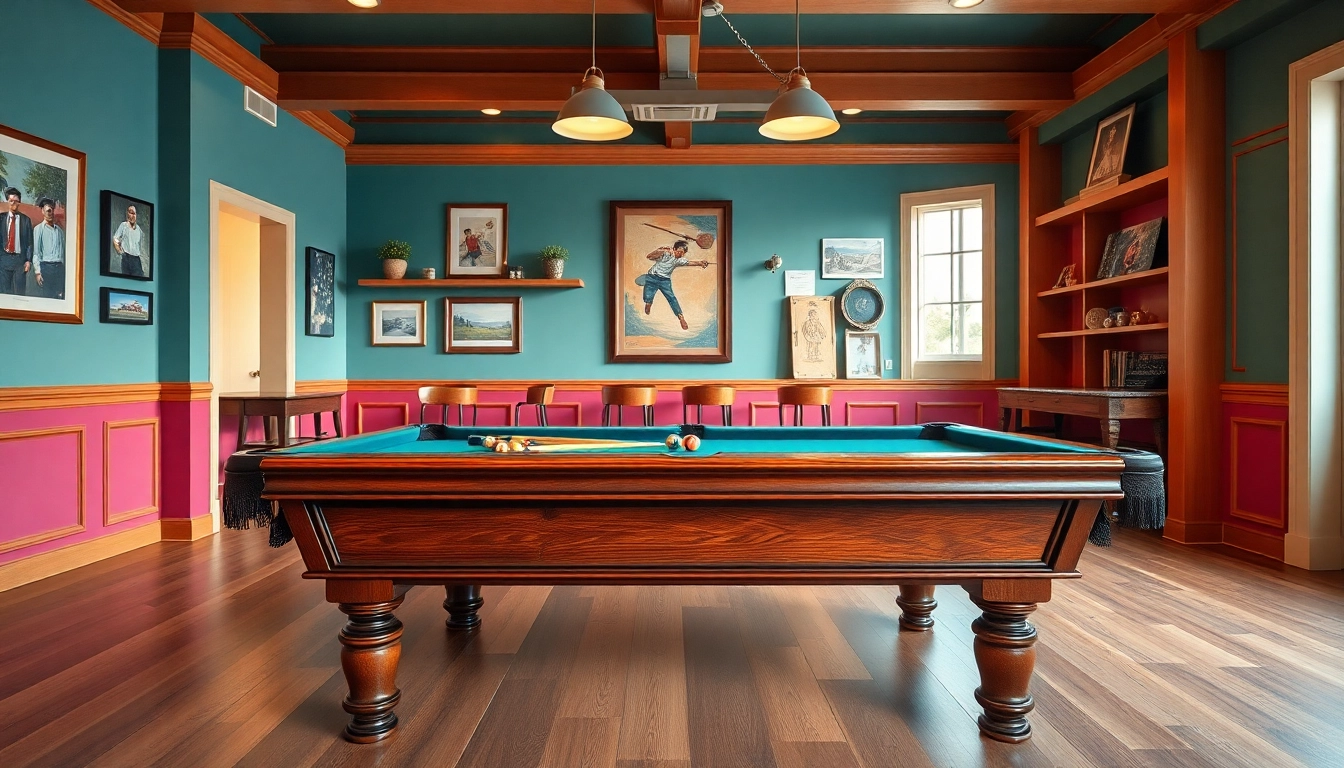
Understanding Different Types of Pool Tables
Residential vs. Commercial Tables
When considering a pool table purchase, understanding the difference between residential and commercial tables is essential. Residential tables are typically designed for home use and might focus more on aesthetics and comfort, often featuring a variety of stylish designs and finishes that complement home décor. They are usually lighter and less durable, suited for casual play. Conversely, commercial tables are built to withstand heavy usage found in bars or recreational centers, made with sturdier materials and designed for professional gameplay. If you intend to use the table frequently for competitive games, a commercial-grade table may be a better investment.
Different Sizes Explained
Pool tables come in various sizes, ranging from 7 to 9 feet long, catering to different play styles and room sizes. A 7-foot table is often considered a 'bar' size, ideal for smaller spaces and social play. An 8-foot table, commonly viewed as a 'professional' size, offers a better playing experience, suitable for serious hobbyists. The 9-foot size is favored in professional tournaments and requires ample space around it for comfortable gameplay. Assessing your available space before deciding on a size is crucial, as proper distance around the table enhances the overall playing experience.
Materials Used in Pool Tables
The materials used in pool table construction greatly influence durability, performance, and aesthetics. The playing surface, typically made of slate, provides a smooth and level playing experience, essential for serious gameplay. Non-slate alternatives, often composed of MDF or particle board, are cheaper and lighter, but may not offer the same level of performance. The frame and legs are usually made from hardwood or metal, with higher-quality tables featuring solid wood for durability. Additionally, the felt covering comes in various colors and qualities, impacting both the look and feel of play. Thus, choosing the right materials should align with your usage and budget considerations.
Factors to Consider When You Buy Pool Tables
Space Requirements
Before committing to a pool table purchase, it’s essential to measure your designated game room space. Ideally, you'll want at least 5 feet of clearance around all sides of the table to allow for comfortable cueing. For instance, if you’re considering an 8-foot table, the minimum room size should be around 14 feet by 18 feet. Planning this space allocation will enhance the gaming experience and prevent any cramped feeling during play.
Budget Considerations
Setting a budget can be a daunting yet crucial step in your pool table purchasing journey. Prices can vary significantly based on the brand, size, and materials used. You can find entry-level pool tables starting from around $500, but for mid-range options, expect to spend between $1,000 to $2,500 for a quality table. High-end tables can exceed $5,000, particularly those made with premium materials. Make sure to consider not only the initial purchase price but also setup and maintenance costs.
Design and Aesthetic Requirements
The visual appeal of your pool table can greatly influence your home’s overall ambiance. Many buyers consider the table's finish, color, and design style, ensuring it complements existing furniture and decor. Choose from classic wood finishes, modern designs with clean lines, or even themed tables. Remember, the table will not only be a functional piece but also a statement in your game room.
Top Features to Look for in Pool Tables
Slate vs. Non-Slate Options
One of the most significant decisions you'll make when buying a pool table is whether to choose slate or non-slate options. Slate tables offer superior quality as they provide an even surface, enhancing gameplay precision. Although they typically cost more and are heavier, their long-lasting durability makes them a worthwhile investment for serious players. Non-slate tables, while more affordable and lightweight, may lack the same level of performance and are generally more suited for recreational players or temporary setups.
Quality Construction and Build
Inspecting the build quality of a pool table is essential. Higher-quality tables will feature robust constructions with properly joined frames and legs to provide stability. Look for features like solid wood corner and side rails, as well as precision-leveling mechanisms that ensure the playing surface is perfectly flat. The felt should also be tight and secure, indicating a quality build that will last for years.
Accessories to Enhance Gameplay
When buying a pool table, consider the accessories that accompany it, as they can significantly impact your playing experience. Essential items include high-quality cue sticks, a full set of billiard balls, corner pockets, and a sturdy rack. Additional accessories such as a table cover, a cue holder, and a ball cleaner can enhance the overall ownership experience. Some retailers may bundle these items, providing added value to your purchase.
Where to Buy Pool Tables
Online vs. Local Stores
Choosing where to buy your pool table can affect not only price but also the customer service experience. Online retailers often provide a more extensive selection and competitive prices, allowing you to compare various models easily. However, local stores offer the advantage of seeing the table in person, testing its feel, and even negotiating prices. Consider blending both methods; research online then visit local shops to finalize your decision.
Reputable Retailers and Brands
When investing in a pool table, opt for reputable retailers known for quality and dependable warranty policies. Look for those specializing in billiard tables and accessories. Customer feedback and testimonials can shed light on the retailer's credibility and reliability. It’s advisable to check for return policies, warranty terms, and service guarantees.
What to Look for in Seller Reviews
Reading customer reviews is crucial for gauging the reputation of a seller. Look for consistent praise about their customer service, delivery times, and the overall quality of their products. Avoid sellers that have significant complaints regarding hidden fees or unresponsive support. Examining reviews from multiple sources can provide a well-rounded view of the seller's reliability.
Frequently Asked Questions about Buying Pool Tables
What Size of Pool Table Should I Choose?
Choosing between 7 and 8-foot tables depends on your space; 8-foot tables offer a professional experience while 7-foot tables are better for limited areas. Measure your room to determine the ideal fit.
Are Used Pool Tables Worth Buying?
Buying used pool tables can be advantageous, offering substantial savings. However, inspect thoroughly for wear and damage. A table in good condition can serve you well for years to come.
How Much Should I Budget for a Quality Pool Table?
Quality pool tables range from $500 for entry-level options to over $5,000 for premium models. Assess your needs and budget to find a table that provides the best value without compromising quality.
What Other Accessories Do I Need?
Beyond the table, essential accessories include cues, balls, racks, and covers. Consider adding a cue holder to keep your game organized and make play more enjoyable.
Are There Delivery Options When I Buy Pool Tables?
Most retailers provide delivery options for pool tables, especially larger models. Inquire about delivery services and fees when purchasing to avoid unexpected costs.
For a diverse selection and quality options, don’t hesitate to Buy Pool Tables that will transform your game room into an exciting recreational space.