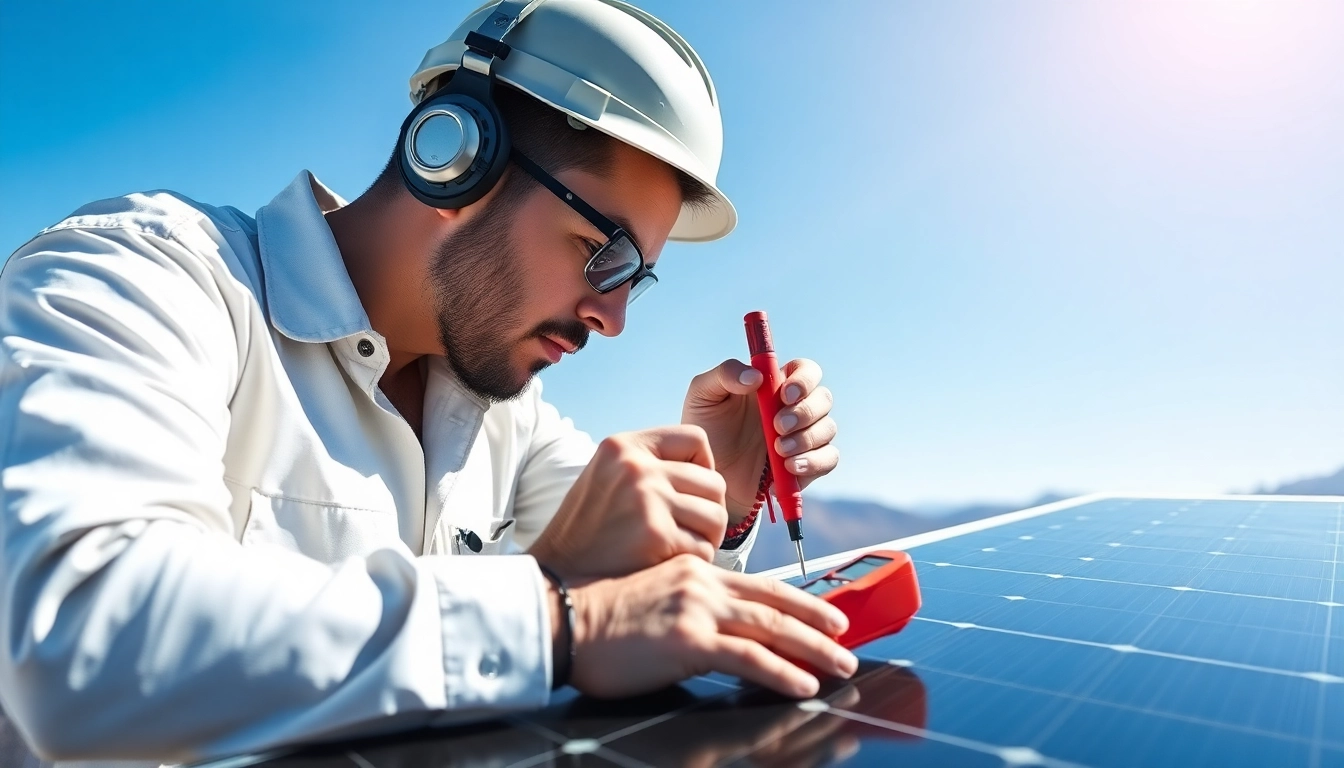
Understanding Solar Panel Repair Basics
Solar panels are a significant investment for many homeowners and businesses aiming to harness renewable energy. However, like any technology, they can experience issues that require attention and repair. Understanding solar panel repair is crucial for maintaining system efficiency and maximizing performance. This guide will provide an in-depth look into solar panel repair, the common issues faced, and solutions available to address them.
What is Solar Panel Repair?
Solar panel repair involves addressing and fixing any faults or damages that may hinder the performance of photovoltaic systems. This can include anything from physical damage to electrical issues that affect energy production. Technically proficient understanding of both the solar panels and the entire solar energy system is vital for effective repair.
Common Solar Panel Issues
Solar panels face various issues that may necessitate repair, such as:
- Physical damage (cracks, scratches, etc.)
- Electrical failures (faulty wiring, inverter issues)
- Debris or dirt accumulation affecting performance
- Improper installation leading to operational inefficiencies
- Manufacturing defects or material wear and tear
Signs You Need Solar Panel Repair
Being vigilant about the signs indicating a need for repair can help in addressing issues before they escalate into costlier problems. Your solar panels may require repair if you notice:
- Suboptimal energy output or significant performance drop.
- Visible damage to the panels, such as cracks or moisture infiltration.
- Frequent electrical failures with the monitoring system.
- Unusual noises coming from the inverter or other system components.
- Unexpected increases in electricity bills despite using solar power.
DIY vs. Professional Solar Panel Repair
When it comes to addressing solar panel issues, homeowners often wonder whether to attempt repairs themselves or hire professionals. Each option has its pros and cons, which we will explore below.
When to DIY Solar Panel Repair
Working on solar panel repairs can save time and money, but DIY repairs should be reserved for minor issues. If you are comfortable with basic electrical work and your repair needs are limited to cleaning the panels or fixing minor wiring problems, a DIY approach may suffice. However, safety must always be your top priority.
Benefits of Professional Solar Panel Repair
Hiring professionals for solar panel repair has several advantages, including:
- Expertise: Professionals have the necessary training and experience to identify and fix problems efficiently.
- Safety: Working with electricity can be dangerous; professionals are trained to handle it safely.
- Warranties: Many companies offer warranties on their repair work, providing added peace of mind.
- Comprehensive Service: They can perform proactive maintenance, ensuring your system operates effectively over time.
Costs Associated with Solar Panel Repair
The cost of solar panel repair can vary widely based on the nature and extent of the damage. On average, homeowners can expect to pay anywhere from $120 to $3,000, depending on factors such as:
- The type of repair needed
- Labor costs in your region
- Material costs for replacement parts
- Potential additional inspections required
Understanding these factors can help you budget appropriately for necessary repairs.
Steps to Diagnose Solar Panel Problems
Diagnosing issues with solar panels involves a systematic approach to find the root cause of performance issues. Here are key steps to follow:
Inspecting for Physical Damage
The first step in diagnosing solar panel issues is to perform a visual inspection. Look for obvious signs of damage, such as:
- Cracks in the glass.
- Burn marks on the back of the panel.
- Any signs of moisture or corrosion.
Such damage can significantly reduce energy output and needs to be addressed promptly.
Checking Electrical Connections
Next, examine the electrical connections. Loose or frayed wires can cause interruptions in energy production. Ensure that all wiring is intact and securely connected, and check the inverter and disconnect switches for proper functioning.
Using Diagnostic Tools
Utilize diagnostic tools such as a multimeter to measure voltage and current levels in the solar system to determine if electricity flow is as expected. Data logging devices can also monitor system performance over time, helping to identify trends that indicate underlying issues.
Best Practices for Solar Panel Maintenance
Regular maintenance is essential for ensuring the longevity and efficiency of your solar panels. Here are some best practices:
Regular Cleaning and Inspections
Keeping solar panels clean is vital for maintaining their efficiency. Dust, dirt, and debris can accumulate over time, blocking sunlight and reducing output. Aim for a cleaning schedule, especially after storms or during pollen season. Regular inspections will help identify issues before they become significant problems.
Monitoring Solar System Performance
Invest in a solar monitoring system that provides real-time data on your solar energy production. This can alert you to drops in performance that may indicate underlying issues requiring repair.
Upgrading Your Solar Installation
As technology evolves, consider upgrading components of your solar installation for improved performance and efficiency. New inverters or solar panels may boost your system’s energy production and offer longer warranties.
Common FAQs about Solar Panel Repair
How often should I service my solar panels?
You should aim to have your solar panels serviced at least once a year. Regular inspections can help catch any potential issues early, reducing the risk of costly repairs later on.
Can I repair my solar panels myself?
Minor repairs like cleaning or fixing loose wires can be DIY. However, for extensive issues, it's advisable to consult a professional to ensure safety and proper diagnosis.
What are the costs of solar panel repair?
Repair costs can vary greatly, averaging between $120 to $3,000, depending on the specific issue and region. It's best to get a quote from a professional for an accurate estimate.
How do I know if my solar panels are damaged?
Signs of damage include significant drops in energy production, visible cracks or marks on the panels, or unusual noise from the inverter. Regular monitoring can help detect these issues.
Are warranties available for solar panel repairs?
Most solar panel manufacturers offer warranties that cover defects. Additionally, many repair services provide warranties on their work, ensuring you receive a reliable service.