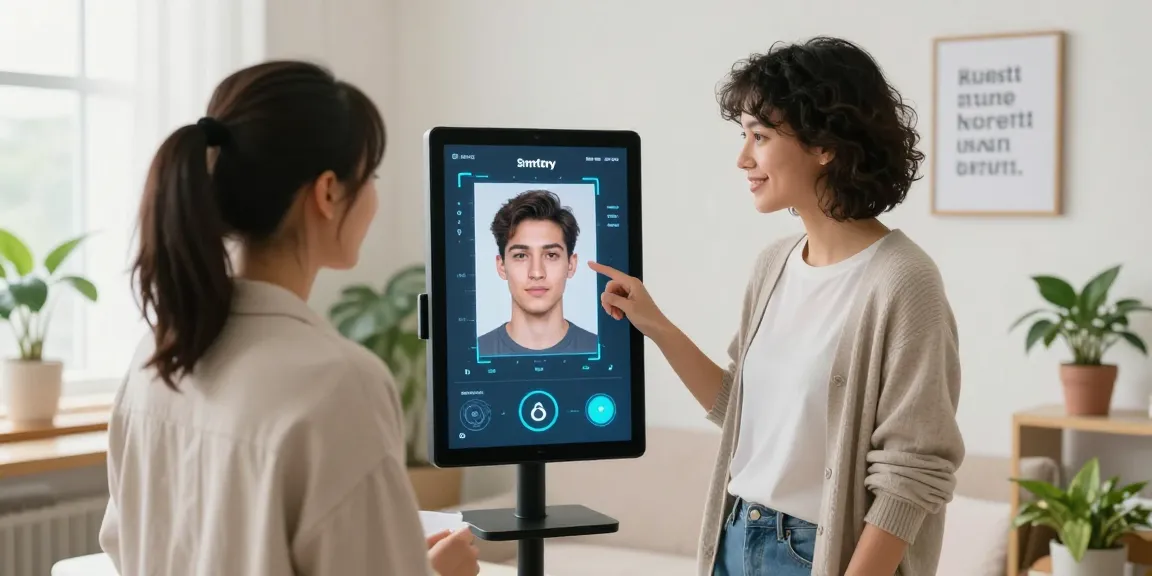
Understanding Facial Age Estimation Technology
In today's digital age, the fascination with age perception has led to the rise of various online tools and applications designed to estimate how old we look. Facial age estimation technology, powered by artificial intelligence (AI), has gained significant traction among users curious about their biological age as it relates to their appearance. With just a simple photo upload, these tools provide instant feedback, making the process both engaging and insightful. For those interested, platforms like how old do i look offer comprehensive insights into this technology.
What is Facial Age Estimation?
Facial age estimation refers to the process of determining a person's biological age based on the analysis of facial features. The most common application involves utilizing machine learning algorithms that are trained on large datasets of images to identify patterns associated with aging. These algorithms take into account various indicators such as wrinkles, skin texture, and facial contours to provide an estimated age. Unlike traditional methods of assessing age, which may rely on subjective judgment, facial age estimation offers a data-driven approach that often yields more consistent results.
How AI Analyzes Facial Features
Artificial intelligence analyzes facial features through a combination of deep learning and image processing techniques. The AI models are typically trained on vast datasets containing images of individuals of different ages. Key aspects considered during analysis include:
- Wrinkle Patterns: The presence and depth of wrinkles can indicate the age of an individual.
- Skin Elasticity: As people age, the skin loses its elasticity, leading to sagging.
- Facial Structure: Changes in facial structure, such as the prominence of cheekbones or the sagging of the jawline, are also indicators of age.
- Skin Tone: Variations in skin tone, including spots and discoloration, can signify aging.
Through these analyses, AI can provide an estimate that reflects not just the chronological age but also biological and perceived age, making the results particularly fascinating for users.
Applications of Age Estimation Tools
Age estimation tools have diverse applications spanning entertainment, beauty, and medical fields. On the entertainment front, users often engage with these tools for fun, sharing results with friends on social media. In the beauty industry, companies utilize age estimation to customize skincare recommendations based on users' perceived ages. Furthermore, in healthcare, understanding the biological age can help in assessing risk factors and tailoring preventive care strategies. As the technology continues to evolve, its applications are expected to expand, offering even more personalized insights for users.
Exploring User Experiences with 'How Old Do I Look'
As facial age estimation tools become more mainstream, understanding user experiences can offer valuable insights into their motivations and challenges. Many users engage with these tools out of curiosity, seeking validation of their youthful appearance or hoping to understand how they can improve their skincare routines.
Common User Intent and Motivations
User intent primarily revolves around curiosity and self-assessment. Many individuals are interested in how they compare to their peers or use the tool as a playful challenge among friends. This engagement often leads to discussions around beauty standards and societal perceptions of aging, making the experience not just about the results but also about the broader dialogue it inspires.
User Experiences: Fun vs. Serious
User experiences can be categorized into two main camps: those seeking fun and those approaching the tools more seriously. For many, the experience is light-hearted, serving as a source of amusement when sharing results. However, others take the results seriously, considering them a reflection of their health or lifestyle. This duality highlights the diverse motivations behind using age estimation tools.
Challenges Users Face When Estimating Age
Despite their growing popularity, users do encounter challenges when using age estimation tools. Common issues include:
- Accuracy Concerns: Doubts about the reliability of the results can hinder user satisfaction.
- Privacy Issues: Concerns over data security can deter users from uploading personal images.
- Subjectivity of Results: Users may find the results differ significantly from their self-perception, leading to frustration.
Addressing these challenges is essential for improving user engagement and trust in these technologies.
Best Practices for Using Age Estimation Tools
To maximize the benefits of age estimation tools, users should follow certain best practices. These approaches not only enhance the accuracy of the results but also ensure a safer experience.
Tips for Uploading Photos for Accurate Results
For the most accurate age estimation results, users should consider the following tips when uploading photos:
- Use High-Quality Images: Clear, high-resolution photos provide better results than blurry or low-quality images.
- Avoid Heavy Makeup: Wearing minimal or no makeup allows for a more authentic analysis of facial features.
- Choose Natural Lighting: Photos taken in natural light reduce shadows and distortions that can affect results.
Privacy Considerations in AI Tools
As with any online tool that requires personal images, privacy is a significant concern. Users should ensure that the age estimation tool they choose has clear privacy policies outlining how their data will be used. It is also advisable to use platforms that offer secure uploads and do not store images beyond the duration of the analysis.
Interpreting Age Results: What They Mean
Understanding what the estimated age results mean is crucial for users. The numbers generated can vary based on numerous factors, including the algorithm used and the quality of the uploaded photo. It’s essential to view results as a fun insight rather than a definitive measure of one’s aging process. Incorporating lifestyle choices, such as diet and skincare routine, can positively influence how one looks, thus, impacting future results.
Case Studies: Successful Implementations
Examining successful implementations of age estimation tools can provide valuable lessons for both users and developers. Various platforms have taken unique approaches that highlight effective engagement and user satisfaction.
Popular Platforms and Their Approach
Platforms like FaceAge.ai and Fotor have successfully captured user interest by providing intuitive interfaces and engaging experiences. These tools often incorporate social sharing features, enabling users to easily share their results and invite friends to participate. Such strategies enhance user engagement and expand the reach of the technology.
User Feedback and Success Stories
Many users report positive experiences, praising the fun aspect of the tools while noting instances where they felt validated by the results. Success stories of individuals improving their skincare routines based on feedback from these tools indicate the potential for meaningful applications beyond mere curiosity. Positive feedback loops not only promote continued use but also foster a community around shared experiences.
Lessons Learned from User Engagement
Engaging users effectively requires understanding their motivations and addressing their concerns. Feedback from users helps platforms iterate and improve their algorithms. Continuous adaptation based on real user data enhances the reliability and enjoyment of age estimation tools.
Future Trends in Age Estimation Technology
As AI continues to evolve, the future of age estimation technology looks promising. Innovations on the horizon may dramatically enhance user experience and the accuracy of results.
Predicted Advances in AI Analysis (2026 and Beyond)
Future advancements in AI analysis are expected to yield even more accurate predictions by integrating additional data points, such as user demographics and lifestyle factors. Enhanced machine learning techniques may allow for personalized estimates that consider an individual's unique characteristics and life history.
User Engagement Strategies for the Future
As competitive platforms emerge, adopting innovative user engagement strategies will be essential. Gamification elements, such as challenges or rewards for regular use, can keep users engaged and returning. Collaborations with beauty and healthcare brands can also provide added value and personalized recommendations based on user results.
Ethical Implications of Age Estimation AI
As with all AI technologies, ethical implications need careful consideration. Issues of bias in algorithms, privacy concerns, and the psychological impacts of age estimation results must be addressed proactively. Developing transparent algorithms and providing users with clear consent mechanisms will be crucial in building trust and ensuring responsible use of this technology.
What are the most accurate age estimation tools available?
Some of the most accurate age estimation tools available today include FaceAge.ai and Fotor. These platforms leverage advanced AI technology and large datasets to deliver reliable results, with a focus on user experience and engagement.
Are facial age estimations reliable?
While facial age estimations can be surprisingly accurate, they are not infallible. Factors such as lighting, makeup, and image quality can affect the outcomes. Users should view the results as general guidance rather than definitive conclusions about their age.
How can I improve my age estimation results?
To improve results, users should upload high-quality images with good lighting and minimal makeup. Engaging regularly with the tool can also help in tracking changes over time, allowing users to better understand their aging process.
What privacy measures should I take when using these tools?
When using age estimation tools, it's vital to read privacy policies and ensure that the platform employs strong data protection measures. Opt for tools that do not retain images beyond necessary analysis to mitigate data leakage risks.
How does AI change perceptions of aging?
AI's ability to analyze aging features can alter perceptions by providing a quantifiable measure of appearance. As users become more aware of how various factors influence their looks, they may engage more actively in health and skincare practices, fostering a proactive approach to aging.