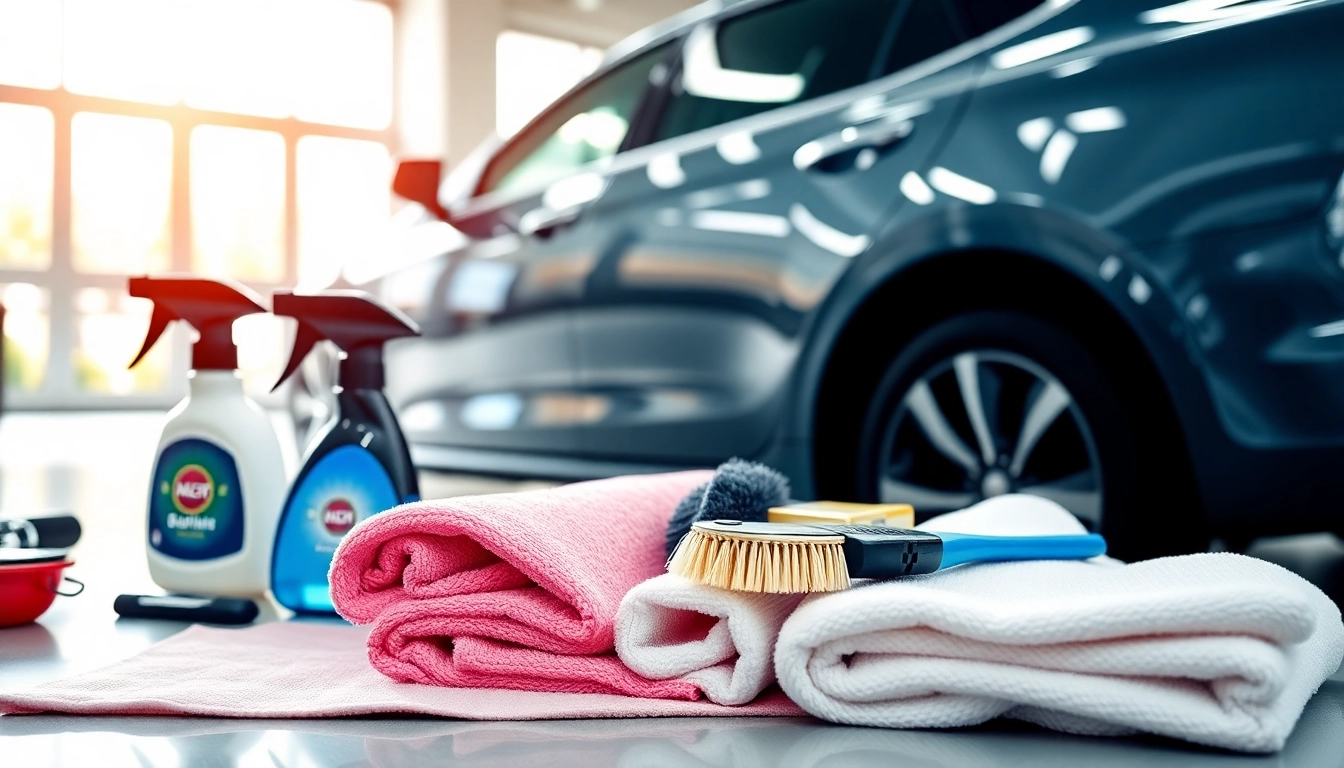
Understanding the Importance of Car Detailing
Car detailing goes beyond a simple wash; it's all about giving your vehicle the care and respect it deserves. This meticulous process not only improves the aesthetics of your car but also preserves its value over time. Many car owners overlook the importance of a proper clean-up, often leading to long-term damages that could have been easily prevented. Engaging in a simple car detailing routine for beginners can significantly enhance both the performance and longevity of your vehicle.
What is Car Detailing?
Car detailing encapsulates various thorough cleaning processes aimed at restoring and maintaining a vehicle’s condition. Unlike a regular car wash that mainly focuses on removing dirt from the exterior, detailing involves a comprehensive approach. This includes cleaning, polishing, and protecting both the exterior and interior surfaces of the car. Detailing typically requires specialized tools, equipment, and products that are superior to those used in a standard car wash.
Benefits of Regular Car Detailing
Engaging in regular car detailing offers numerous benefits. Firstly, it promotes greater hygiene by thoroughly removing dust and allergens. Secondly, it enhances your vehicle's aesthetic appeal, providing a like-new look that’s sure to impress. Thirdly, regular detailing can help maintain the resale value of your car, as potential buyers appreciate a well-maintained vehicle. Additionally, having a clean car contributes to a safer driving experience by ensuring clear visibility through spotless windows. Lastly, detailing can prevent minor damages from developing into significant issues, saving you time and money in the long run.
Basic Principles of a Simple Car Detailing Routine for Beginners
A straightforward car detailing routine is about establishing consistent habits. The basic principles focus on cleanliness, protection, and organization. Start with systematic cleaning from the exterior to the interior. Prioritize areas that generally accumulate the most dirt, including wheels and upholstery. Always use high-quality products suited to your vehicle's materials. Finally, consider regularity; aim to detail your car every few months or as needed based on its usage.
Essential Tools and Supplies for Detailing
Equipping yourself with the right tools is crucial for effective detailing. Beginners need to focus on acquiring basic tools that enhance efficiency while simplifying the process.
Must-Have Tools for Beginners
To start your car detailing journey, consider investing in the following essential tools:
- Microfiber Towels: Ideal for drying without scratching your car’s surface.
- Soft-Bristled Brushes: Great for cleaning delicate surfaces like dashboards and wheels.
- Vacuum Cleaner: Opt for a compact model to reach tight spaces.
- Wash Mitts: Using a wash mitt instead of a sponge helps prevent swirl marks during the wash.
- Detailing Clay Bar: Useful for removing contaminants that standard washing can't eliminate.
Choosing the Right Cleaning Solutions
Selecting the proper cleaning solutions is pivotal. Look for products specifically formulated for automotive use. For exteriors, consider pH-balanced shampoos to avoid damaging the paint. For interiors, use non-toxic cleaners that are safe for plastics and fabrics. When in doubt, always perform a patch test before widespread application to ensure compatibility with your vehicle’s surfaces.
Storing Your Car Detailing Supplies
Organizing your cleaning supplies ensures you're ready for action whenever needed. Opt for a dedicated storage solution, like a toolbox or a utility cart, to keep everything organized and easily accessible. Label containers as needed, and store your items in a dry place to prevent degradation. This organization saves time and helps you avoid unnecessary purchases of duplicates.
Step-by-Step Simple Car Detailing Routine for Beginners
Exterior Wash: The Foundation of Detailing
Your car's exterior is the first impression it makes. Begin with a thorough wash to remove surface dirt and grime:
- Rinse the vehicle to remove loose dirt.
- Apply a pH-balanced car shampoo using a wash mitt.
- Work in sections to ensure thorough coverage, rinsing often to avoid soap residue.
- Finish with a final rinse to remove all shampoo.
Cleaning Wheels and Tires: Focus on the Dirtiest Parts
Wheels and tires are often neglected but require special attention:
- Use a dedicated wheel cleaner to break down brake dust.
- Use a brush to scrub the wheels and tires thoroughly.
- Rinse completely to wash away all cleaner residues.
Drying Techniques: Ensuring a Spotless Finish
Proper drying is essential for preventing water spots:
- Use microfiber towels to gently dry the vehicle, starting from the top and working down.
- Alternatively, consider a car dryer or blower to remove water from hard-to-reach areas.
Interior Detailing Basics for Beginners
Vacuuming and Surface Cleaning
Begin your interior detailing by vacuuming all surfaces:
- Remove floor mats and vacuum them separately.
- Use crevice tools to clean tight spaces.
- After vacuuming, wipe down surfaces using a microfiber cloth and appropriate cleaner.
Dealing with Stains and Odors
Addressing stains promptly prevents them from becoming permanent:
- For fabric seats, use a fabric cleaner and a brush to agitate the stain.
- Utilize enzyme-based cleaners for organic stains.
- Add an odor eliminator to maintain a fresh smelling interior.
Maintaining Your Interior: Tips and Tricks
To keep your car interior looking fresh long-term:
- Use sunshades to protect upholstery from UV damage.
- Regularly wipe down surfaces to prevent dust buildup.
- Keep essential cleaning tools in the car for touch-ups.
Protecting Your Vehicle Post-Detailing
Applying Wax and Sealants
Protection after detailing is vital for longevity:
- Once dry, apply a layer of wax or paint sealant for added protection.
- Work in small sections and buff off with a clean microfiber towel.
- This protects against UV rays and other environmental contaminants.
Regular Maintenance Tips
To keep your car in pristine condition between detailed cleanings:
- Perform frequent washes.
- Avoid parking under trees or in direct sunlight when possible.
- Use quick detailers for touch-ups.
Frequently Asked Questions About Car Detailing
1. How often should I detail my car?
It's recommended to detail your car every 3-6 months, depending on usage and environmental conditions.
2. Can I use household cleaners for detailing?
No, household cleaners may damage your car’s surfaces. It’s best to use products specifically designed for automotive use.
3. How long does detailing take?
Basic detailing can take 2-4 hours, while thorough detailing may take a full day or longer.
4. Is waxing necessary after detailing?
Waxing is not mandatory but is highly recommended to protect your vehicle’s paint from environmental damage.
5. What if my car has heavy stains?
Consider professional help if stains are severe. Otherwise, treat them quickly with the right cleaners.