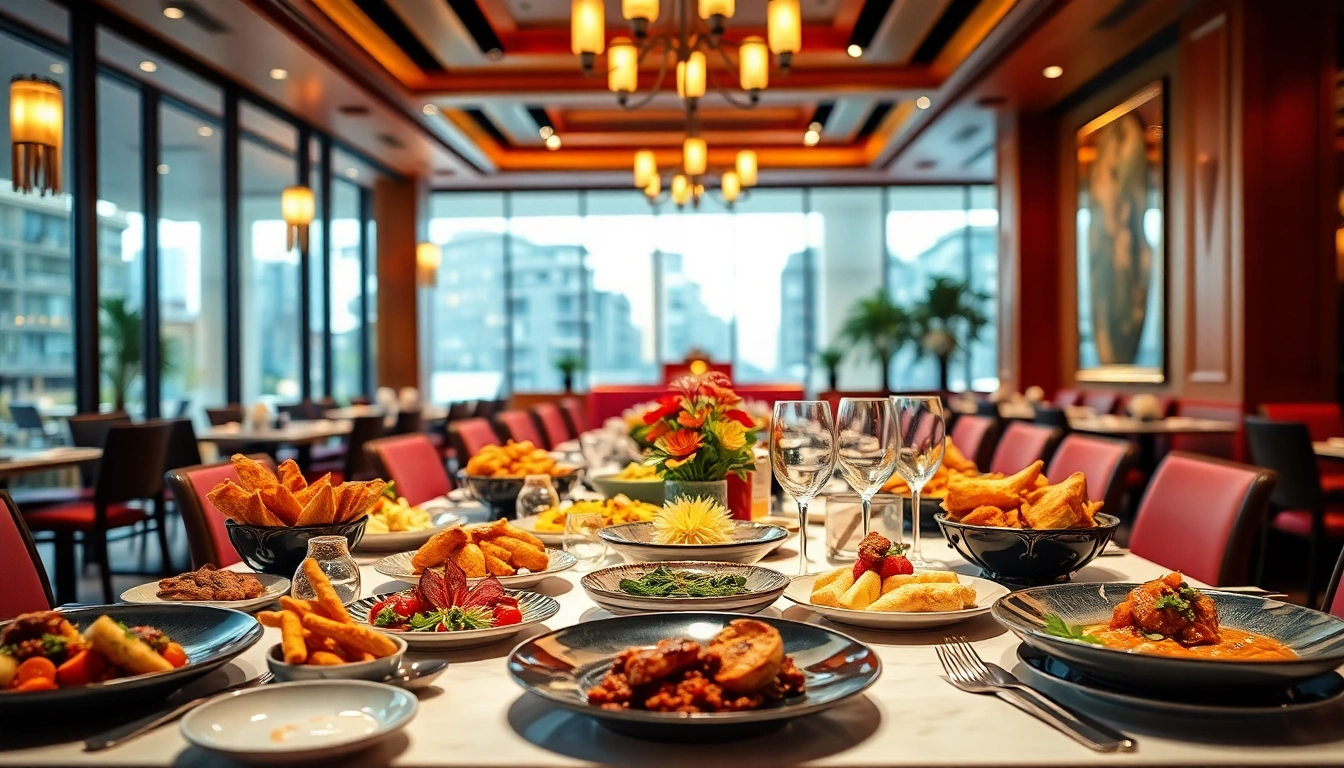
Understanding Menu Essentials
The menu is a restaurant's most powerful marketing tool, acting as the first point of contact with customers. It is more than just a list of food options; it reflects your restaurant's identity, culinary philosophy, and values. A well-crafted menu draws customers in and influences their dining choices, enhancing their overall experience. For restaurants looking to elevate their offerings, integrating insights about slot online can also create an engaging atmosphere, catering to a broad audience.
Crafting an Alluring First Impression
The moment a customer picks up your menu, their impression of your restaurant is formed. An appealing menu layout, coupled with curated descriptions, can evoke excitement. This initial moment can sway diners' choices significantly. The choice of words, the style of descriptions, and even the physical attributes of the menu can build anticipation and hunger before the meal even begins. Use descriptive, lively language that paints a picture of the dish, engaging the senses. Incorporating a unique story or inspiration behind popular dishes can also intrigue diners, creating a direct emotional connection.
Importance of Cuisine Variety
Having a diverse menu is critical in today's competitive dining environment. Offering a variety ensures that you cater to different customer preferences, dietary restrictions, and culinary interests. Diversity not only increases the chance of repeat visits but also amplifies your restaurant's appeal to a broader demographic. Conducting market research to identify trending cuisines or popular dietary preferences, such as vegan or gluten-free options, can guide menu expansion decisions. This data-driven approach equips restaurants to meet customer demands and stand out.
Designing Menus for Different Dining Experiences
The dining experience varies considerably from casual bistros to high-end restaurants, and the menu design must align with these varied atmospheres. For casual settings, a playful, creative design with less formal language may resonate more with diners, while fine dining establishments require elegance and refinement in both language and presentation. Tailoring the menu to complement the dining experience — whether fast casual, family-style, or gourmet — can enhance customer satisfaction and expectations. Consider factors such as the dining duration, formality of the occasion, and even how dishes are presented and served.
Enhancing Visual Appeal Through Design
Effective Layout Techniques
The layout of your menu can significantly influence customer choices. A well-structured menu uses visual hierarchy to guide the reader's eye. Group similar items together and create clear sections for appetizers, mains, desserts, etc. Placing signature dishes or specials in prime locations captures attention. Balance textual content with empty space to avoid overwhelming consumers, allowing them to digest information comfortably. Utilize bullet points or boxes to highlight featured items or dietary options.
Color Psychology in Menu Presentation
Color plays a vital role in menu design by affecting emotions and decision-making processes. Research shows that warm colors like red and orange can stimulate appetite, while cooler shades create a calm atmosphere. Choosing the right color palette can enhance the overall ambiance of your restaurant and influence customer behavior. Align colors with your brand identity. For instance, earthy tones can evoke a sense of organic freshness for farm-to-table concepts, while vibrant hues can relate to exciting global cuisines.
Utilizing Imagery to Tempt Diners
Images can significantly enhance a menu's appeal. High-quality food photography can evoke cravings and stimulate interest. Use images judiciously to avoid cluttering the menu — too many photos can detract from the written offerings. Choose images that represent signature dishes or seasonal specials, showcasing vibrant colors and appealing presentations. Consider experimenting with layout variations, such as placing images beside item descriptions or creating a separate photo menu for visuals paired with drinks or tastings.
Pricing Strategies That Attract Customers
The Role of Price Anchoring
Price anchoring is a strategy where offering a higher-priced item makes adjacent items seem more reasonable, influencing consumer perception. By placing a premium item at the top of the menu, customers view other options favorably. This tactic can be particularly effective for higher-margin dishes or seasonal specials. Be intentional with pricing strategies, ensuring an attractive range that doesn’t compromise quality, and avoid psychological pricing (e.g., $9.99), to keep perceptions straightforward.
Special Offers to Drive Engagement
Special offers can serve as effective motivators for customer engagement and repeat visits. Incorporating happy hour pricing, discounted bundles, or loyalty programs can attract new diners and reward returning customers. Ensure these offers align with overall brand values and do not dilute the perceived value of regular menu items. Seasonal events or themed nights can create excitement and offer casual patrons an occasion to visit and try amongst friends.
Balancing Quality and Cost
Ensuring your menu is both profitable and appealing requires careful attention to quality and cost. Customers are increasingly discerning about what they are getting for their money, and restaurants must provide value without sacrificing quality. Conduct regular evaluations of ingredient costs versus menu pricing, factoring in seasonality and market fluctuations, to keep financial health intact. Prioritize high-quality sourcing to enhance flavor and presentation, enhancing overall customer satisfaction.
Emphasizing Seasonal and Local Ingredients
The Farm-to-Table Philosophy
There is a growing trend among both diners and restaurant owners to embrace the farm-to-table philosophy, which emphasizes the importance of local sourcing and fresh ingredients. By highlighting dishes that feature locally grown produce, restaurants can create a sense of authenticity and connection to the community. This not only appeals to environmentally conscious consumers but also often yields better flavor and culinary creativity through evolving seasonal offerings.
How Seasonality Influences Menu Adaptation
Adapting your menu to reflect seasonal ingredients not only showcases versatility but keeps your offerings relevant. Seasonal menus can create excitement and anticipation among regular customers, as they look forward to tasting unique dishes throughout the year. Collaborating with local farms can facilitate ingredient availability and enhance marketing narratives surrounding your seasonal dishes, reinforcing the farm-to-table ethos.
Engaging Customers with Local Stories
Sharing the stories behind local ingredients fosters deeper connections between diners and your menu. Highlighting farmers, purveyors, or specific growing practices can evoke pride and investment in the dining experience. Incorporate these narratives into the menu design or marketing materials. For example, each dish could feature a small note sharing its origin, contributing to a more enriched dining experience and making customers feel part of a sustainable movement.
Measuring Success through Customer Feedback
Tools for Gathering Customer Insights
Customer feedback mechanisms are crucial for refining menu offerings. Utilize surveys, comment cards, and digital feedback through apps and social media to gather insights about customer preferences and satisfaction. Employing analytical tools to track the popularity of menu items helps form data-driven decisions that contribute to menu evolution. Engaging directly with customers for qualitative feedback, through informal chats or observations, can lead to valuable insights.
Adjusting Menus Based on Feedback
Utilizing customer insights to adjust menu offerings keeps the dining experience fresh while showing customers that their opinions matter. Pay special attention to items that receive consistent feedback, whether positive or negative. Regularly revisiting and refining the menu can also help identify food trends or anticipate changes in consumer preferences, ensuring your restaurant remains competitive and relevant.
Case Studies of Successful Menu Revamps
Analyzing successful case studies can provide insights into effective menu revamps. Take note of strategic adjustments made by restaurants that led to increased satisfaction and profitability. For example, a cafe that shifted to a seasonal-only menu might have seen heightened customer interest and reduced waste. Use lessons from these instances to inspire your strategies, adapting them to fit your unique restaurant identity and goals.
Frequently Asked Questions
How often should I update my restaurant’s menu?
Updating your menu seasonally helps keep offerings fresh and aligns with customer preferences. Regular adjustments can enhance profitability.
What design elements should a restaurant menu include?
Essential elements are an appealing layout, concise descriptions, visually appealing typography, and effective pricing presentation.
How can I highlight specials on my menu?
Use bold typography, graphical elements, or colored boxes to draw attention to daily or seasonal specials without cluttering the overall design.
Should I offer a digital menu?
Yes, digital menus provide convenience, allow for regular updates, and can feature engaging multimedia content to enhance customer experience.
How do I ensure my menu items are profitable?
Regularly analyze food costs, consider customer preferences, and adjust pricing based on popularity and ingredient sourcing to maintain profitability.