Understanding the Importance of Cultural Festivals in Brittany
Cultural festivals in Brittany serve as vital forums for collective expression, community bonding, and the promotion of regional identity. These festive gatherings encapsulate the rich history and diverse traditions of the Breton people, making them significant not only to locals but also to visitors eager to immerse themselves in Breton culture. The festivals act as a bridge, linking past traditions with contemporary practices, and thereby play an essential role in sustaining and evolving the local cultural landscape. As the interest in Breton culture continues to grow, เกมสล็อต can offer insights into how cultural engagement is being promoted.
What Are Breton Cultural Festivals?
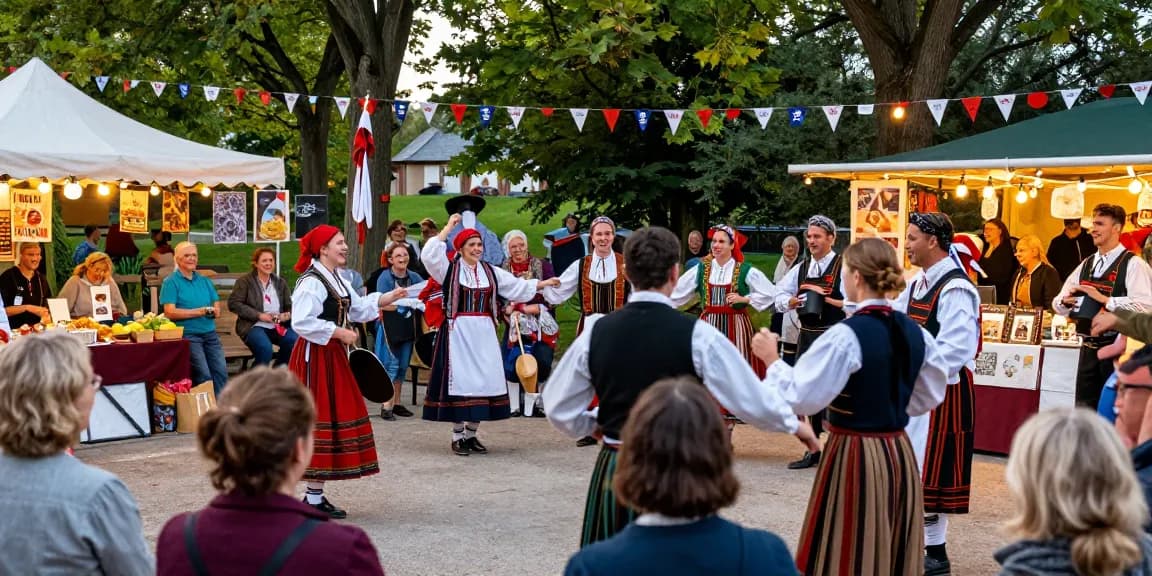
Breton cultural festivals are organized events that celebrate the diverse customs, music, art, and crafts of Brittany. These festivals typically occur throughout the year, featuring everything from traditional music performances and dance to crafting workshops and culinary experiences. They serve as platforms for local artists and artisans to showcase their work, while also providing opportunities for community members and tourists alike to participate and learn about Breton heritage. Notable examples include the Festival Interceltique de Lorient, which emphasizes the connections between Celtic cultures, and the numerous smaller regional festivals that celebrate local flavors and traditions.
The Role of Festivals in Promoting Local Culture
Festivals are pivotal in promoting local culture because they allow for the preservation and revitalization of traditional practices. They emphasize local history and storytelling, often involving community participation in planning and execution. By attracting visitors, these events boost the local economy and create a sense of pride among residents. Additionally, festivals foster cultural exchange by welcoming diverse audiences and encouraging dialogue about heritage and identity. Through this engagement, festivals help to ensure that local customs are not only preserved but also adapted and innovated for future generations.
Key Elements of a Successful Cultural Festival
- Community Involvement: Engaging local residents in the planning process ensures that the festival reflects the community’s values and interests.
- Diverse Programming: A successful festival features a variety of events that appeal to different demographics, including families, young adults, and seniors.
- Sustainability Practices: Incorporating eco-friendly practices can enhance a festival's appeal and promote environmental stewardship.
- Effective Marketing: Utilizing various promotion channels, including social media and local press, can reach wider audiences and enhance attendance.
- Partnerships: Collaborating with local businesses and cultural organizations can strengthen community ties and provide resources for festival activities.
Exploring the Connection Between Art and Community
The relationship between art and community is profound, as art often serves as a reflection of a collective identity. In Brittany, this connection is visibly celebrated during festivals that emphasize artistic expression. Artists from diverse backgrounds come together to showcase their work, creating an environment where dialogue and creativity flourish.
The Influence of Art on Local Identity
Art has the power to shape and reflect a community's identity. In Brittany, traditional forms of art, such as painting, music, and dance, are interwoven with local customs and histories. Festivals provide a vibrant space where these art forms can be displayed and appreciated, reinforcing the unique characteristics of Breton culture. For instance, the intricate designs of traditional costumes worn during festival parades tell stories of regional pride and history, while local musicians often infuse contemporary influences into traditional sounds, creating a dynamic cultural tapestry.
How Festivals Encourage Artistic Expression
Festivals are platforms where local artists can gain visibility and recognition. By providing performance spaces, workshops, and showcases, these events encourage artists to experiment and push boundaries within their craft. Additionally, the communal atmosphere of festivals fosters collaboration among artists, leading to new and innovative works being created. For example, the collaboration between visual artists and musicians during festival events often results in unique performances that combine multiple art forms, enhancing the audience's experience and broadening their appreciation of local talent.
Case Studies of Successful Breton Artists
Several Breton artists have gained recognition for their work, often showcased during cultural festivals. For instance, musician and composer Alan Stivell has played a significant role in the revival of Breton music, integrating traditional sounds with contemporary genres. His performances at festivals have not only entertained but also educated audiences about Breton culture. Similarly, visual artists like Pierre de Lasalle create murals that reflect the rich traditions of Brittany, contributing to public art projects that engage the community during festivals.
Strategies for Engaging Local Audiences
To ensure the success of cultural festivals, organizers must focus on engaging local audiences effectively. The following strategies can help maximize community participation and enjoyment:
Utilizing Social Media for Event Promotion
Social media platforms serve as powerful tools for promoting cultural festivals. By actively posting updates, engaging with audiences, and sharing behind-the-scenes content, organizers can build excitement leading up to the event. Creating engaging hashtags and encouraging attendees to share their experiences online can further increase visibility and participation.
Creating Interactive Experiences for Festival-Goers
Interactive experiences, such as workshops and participatory art installations, allow festival-goers to engage with the culture hands-on. By providing opportunities for attendees to learn about traditional crafts or join in local dances, festivals can create memorable experiences that foster a deeper connection to the culture being celebrated.
Best Practices for Engaging Volunteers and Participants
Volunteers are the backbone of any successful festival. Implementing effective recruitment strategies and providing proper training ensures that volunteers feel valued and are adequately prepared for their roles. Recognizing their contributions publicly can also enhance volunteer satisfaction and encourage future participation.
Challenges Faced by Cultural Organizers
Despite their importance, cultural festivals face several challenges that can hinder their success. Being aware of these challenges allows organizers to proactively address them.
Funding and Sponsorship Opportunities
Securing funding and sponsorship is often a significant hurdle for cultural festivals. Organizers can overcome this by developing strong relationships with local businesses and applying for grants aimed at promoting cultural initiatives. Additionally, creating sponsorship packages that clearly outline the benefits for businesses can encourage them to contribute financially.
Managing Logistics and Event Safety
Event logistics, including site planning, crowd management, and safety protocols, are crucial for ensuring a smooth festival experience. Organizers should prioritize risk assessments and develop comprehensive plans that address potential issues. Collaborating with local authorities can also help streamline security measures and crowd control.
Overcoming Audience Development Challenges
Attracting a diverse audience can be challenging, particularly in an era where entertainment options are vast. Tailoring marketing efforts to target specific demographics and creating family-friendly programming can help to draw in a broader audience. Additionally, collecting feedback from attendees can inform future festival planning to better meet community preferences.
The Future of Breton Festivals: Trends and Predictions for 2026
As we look towards 2026, the landscape of cultural festivals in Brittany is poised for exciting developments. The following trends and predictions can provide insight into the future of these cultural celebrations:
Emerging Technologies in Festival Management
Advancements in technology are set to revolutionize festival management. From ticketing apps to enhanced visitor engagement through augmented reality, organizers can use technology to streamline operations and enhance the attendee experience. Utilizing data analytics can also help organizers understand audience behaviors and preferences, allowing for more tailored programming.
New Cultural Trends Influencing Festivals
The cultural landscape is constantly evolving, and festivals must adapt to stay relevant. Trends such as sustainability, inclusivity, and the integration of global cultural influences are likely to shape programming choices. Festivals that embrace these trends can attract wider audiences and foster community support.
How to Sustain Interest in Traditional Art Forms
Preserving traditional art forms while encouraging innovation is essential for sustaining interest in Breton culture. Festivals can play a significant role by providing platforms for artists to showcase their work in contemporary contexts. Workshops that invite younger generations to learn traditional crafts can also keep these practices alive.
What Are the Essential Elements for Future Success?
To ensure continued success, future festivals must focus on community engagement, sustainability, and adaptability. By fostering collaboration among local artists, businesses, and community members, organizers can create vibrant celebrations that resonate with all attendees. Furthermore, prioritizing environmental responsibility will not only attract eco-conscious visitors but also contribute to the sustainability of the local culture.