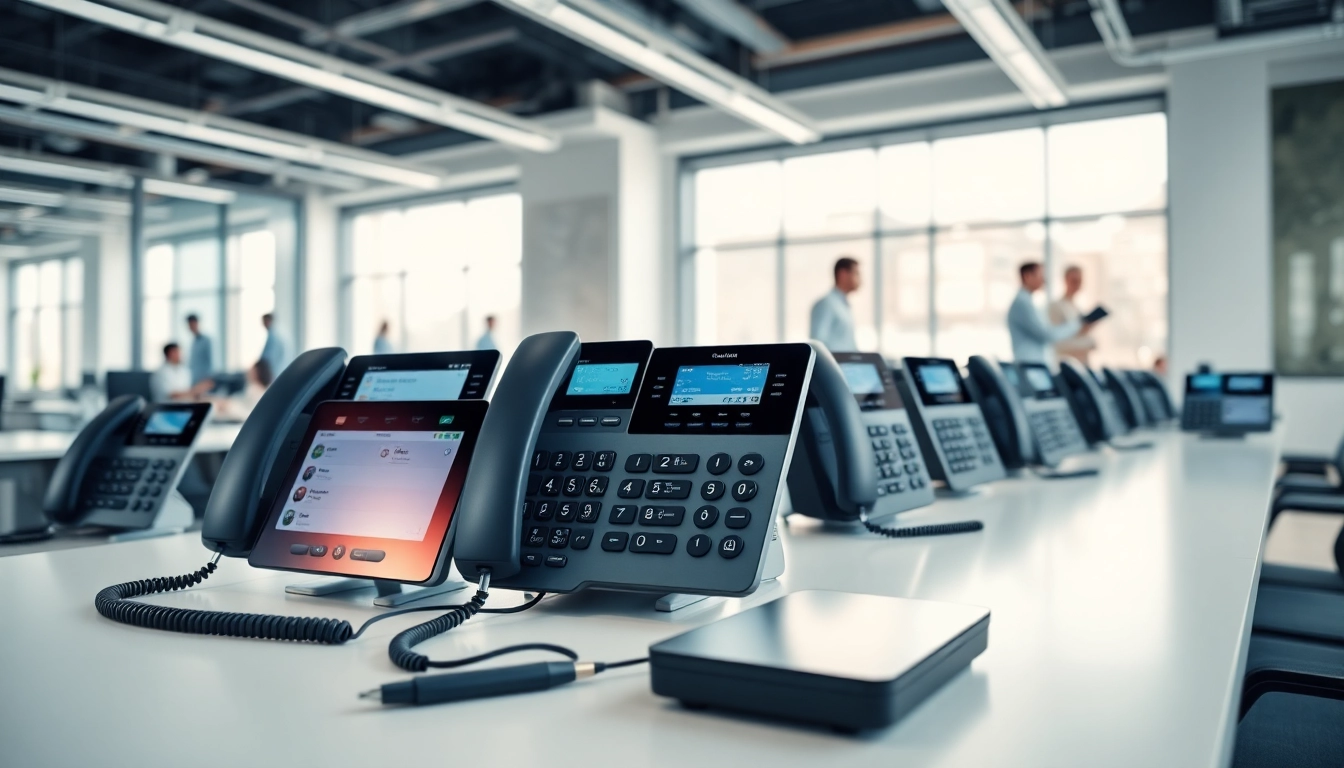
Understanding Office Business Phone Systems
What are Office Business Phone Systems?
Office business phone systems serve as the backbone of communication within a company. These systems encompass the hardware and software needed to manage voice communication, whether through traditional landlines, VoIP (Voice over Internet Protocol), or other digital means. The capability to seamlessly connect employees, clients, and stakeholders is critical for effective business operations. Companies depend on these systems not only for making calls but also for a range of features like conferencing, voicemail, and automated attendants. Moreover, they often include advanced features that enhance communication efficiency and collaboration, fostering a productive work environment. For more details on these systems, you can explore office business phone systems.
Key Components of Office Business Phone Systems
Each office business phone system comprises multiple components that work together to deliver a cohesive communication experience. Understanding these components is essential for businesses to select the right system that caters to their needs:
- Telephones: The most basic component, these can range from traditional desk phones to modern smartphones equipped with software that supports various communication technologies.
- Private Branch Exchange (PBX): This system connects internal extensions to each other and to the outside phone lines, allowing efficient management of incoming and outgoing calls.
- VoIP Technology: With the rise of internet-based calling, VoIP technology utilizes broadband connections to transmit calls, often providing features that traditional systems do not.
- Unified Communications (UC): This integrates multiple communication methods such as voice, video, and messaging, providing a seamless experience across devices.
- Cloud Services: Many modern systems operate in the cloud, offering scalability, reduced maintenance costs, and accessibility from anywhere.
How Office Business Phone Systems Work
Understanding how these systems function is key to unlocking their potential. Generally, office business phone systems function through a combination of hardware, software, and internet connectivity. For traditional systems, calls are routed through copper wires or fiber optics, while VoIP systems convert voice signals into digital packets transmitted over the internet. This means businesses can choose between an on-premises setup or a cloud-based system. Cloud systems are particularly attractive because they require less physical infrastructure, reduce upfront costs, and offer flexibility. Additionally, many systems feature automated call management tools that streamline routing and handling, increasing overall communication efficiency.
Benefits of Office Business Phone Systems
Improved Communication and Collaboration
Office business phone systems enhance communication by offering multiple channels for interaction. Phone calls are traditionally viewed as foundational, but with features like video conferencing, group chats, and instant messaging, employees can communicate in the manner that suits them best. This fosters collaboration across departments and allows remote workers to stay connected. Moreover, features such as call forwarding and messaging apps enable consistency in communication—crucial for any business aiming for high operational efficiency.
Cost Efficiency and Scalability
Cost efficiency is one of the most compelling benefits of modern office business phone systems, especially when comparing traditional landlines to VoIP systems. VoIP significantly reduces travel and telecom costs, enabling companies to operate efficiently. Additionally, the scalability of these systems means that as a business grows, its communication solutions can easily adapt to increased demand without major additional expenses. This flexibility ensures that businesses can focus their resources on growth rather than infrastructure.
Integration with Other Business Tools
Integrating office business phone systems with other business tools is paramount in preparing for a more cohesive future. Modern systems can interface with Customer Relationship Management (CRM) software, email applications, and productivity tools like project management software. This integration allows for a seamless workflow, as communication data can be accessed and utilized across platforms. For instance, sales teams can quickly access customer data during calls, improving customer service and response times.
Selecting the Right Office Business Phone Systems
Assessing Your Business Needs
The process of selecting an appropriate office business phone system begins with assessing the specific needs of your business. Consider factors like the size of your workforce, the distribution of your locations (if any), and the types of communication that are most important to your operations. Additionally, evaluate whether you require a mobile solution, as remote work continues to shape how teams operate. Engaging employees in this evaluation provides insights into their preferences and pain points, ultimately aiding in choosing a system that enhances productivity.
Comparing Features and Pricing
Once you've established your requirements, comparing various systems based on features and pricing is essential. Not all systems are created equal; some might offer robust features that align with your business model, while others might lack essential tools you need. Look for a transparent pricing model that includes not just initial setup costs but also ongoing expenses. Features such as international calling, video conferencing capabilities, and mobile app support should be high on your list of priorities.
Evaluating Vendor Reputation
Your choice of vendor plays a significant role in how efficiently your office business phone systems will function long-term. Research potential vendors to evaluate their reputation, paying attention to reviews, case studies, and testimonials from other companies. Reliable customer support, ease of setup, and strong service agreements are indicators of a credible vendor. Moreover, ensure they provide maintenance and upgrades, which are crucial for keeping your systems up-to-date and functional.
Implementing Office Business Phone Systems
Planning Your Setup
Effective implementation starts with a well-thought-out plan. Start by determining who will be involved in the implementation process and outline specific timelines for each phase. Set up the hardware, ensure all necessary software is installed, and establish protocols for usage to avoid confusion during the transition. During this setup phase, addressing potential challenges, such as internet connectivity or user training, can make the final switch to the new system much smoother.
Training Employees for Effective Use
Training is often overlooked in the implementation process, but it is critical for maximizing the benefits of your new office business phone systems. Offering comprehensive training ensures employees understand how to utilize all available features, from basic calling to advanced functionalities like video conferencing and team collaboration tools. Consider creating a user manual, conducting workshops, or utilizing online tutorials to equip employees with the necessary skills.
Monitoring System Performance
After your office business phone systems are implemented, ongoing performance monitoring is essential to ensure that the systems meet your business objectives. Set key performance indicators (KPIs) such as call response times, system uptime, and user satisfaction to measure effectiveness. Regularly solicit feedback from employees about their experiences to identify any areas for improvement. This ongoing assessment of your system not only enhances communication but also leads to better overall business performance.
FAQs on Office Business Phone Systems
What is an office business phone system?
An office business phone system is a network that facilitates voice communication for businesses. It includes devices and technology like PBX, VoIP, and cloud services to enhance efficiency.
How do I choose the best office business phone system?
To choose the best system, assess your communication needs, compare features and pricing, and evaluate vendors based on reputation and support.
What are the costs associated with office business phone systems?
Costs vary widely based on the type of system. Consider installation, hardware, ongoing service fees, and maintenance when budgeting.
Can office business phone systems integrate with mobile devices?
Yes, many modern systems support integration with mobile devices through apps, allowing users to make and receive calls on the go.
How to troubleshoot common issues with office business phone systems?
Common issues can often be resolved by checking the internet connection, ensuring compliance with hardware requirements, and consulting user manuals for guidance.
Contact Information
Address:Fareham Innovation Centre, PO13 9FUEmail Us:[email protected]Call Us:0333 015 2615