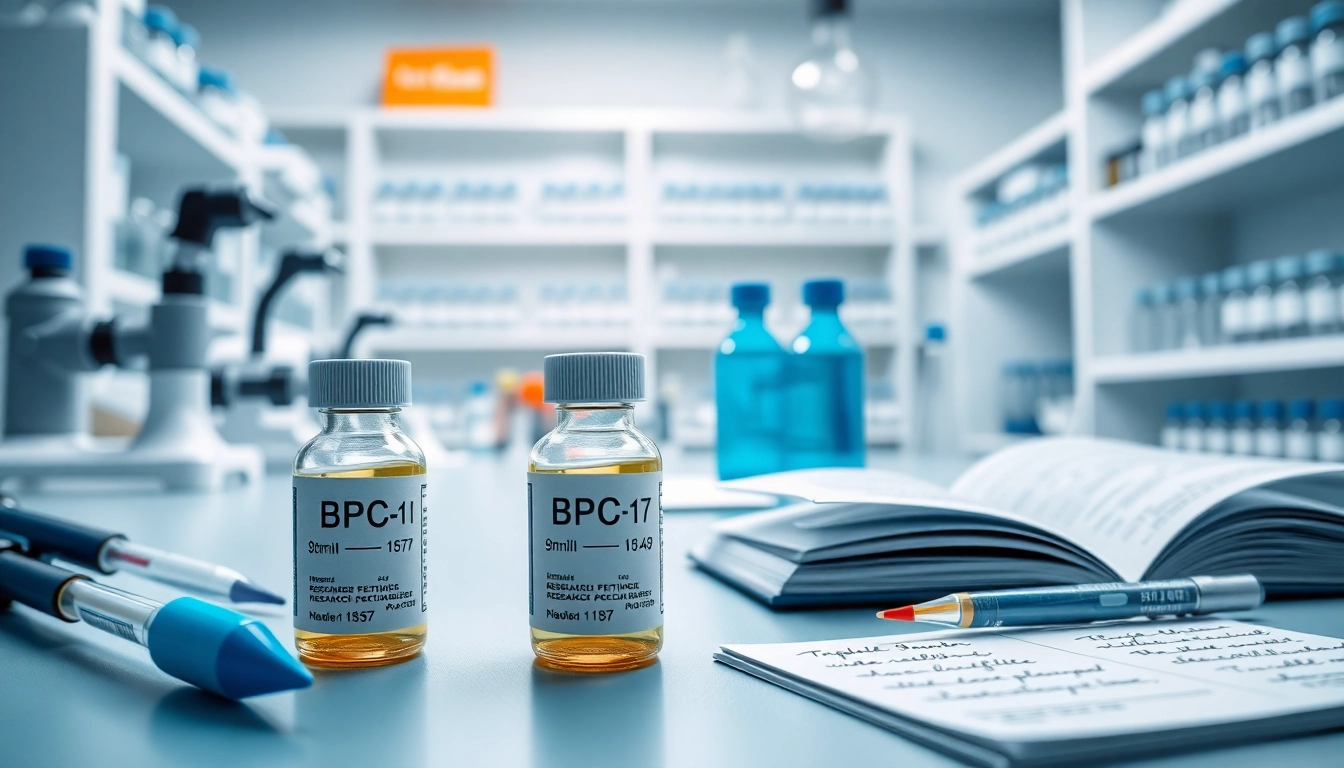
Introduction to Research Peptides
What are Research Peptides?
Research peptides are short chains of amino acids, the building blocks of proteins, which play vital roles in biological processes. These synthetic or semi-synthetic compounds are created for research purposes, primarily to explore their effects on humans and organisms. Unlike traditional pharmaceuticals, which are often large and complex molecules, research peptides can be synthesized relatively easily and allow scientists to investigate targeted actions on the body, making them valuable tools in various fields of medical research, biotechnology, and pharmacology.
Biological Importance of Peptides
Peptides serve critical biological functions in the human body. They are involved in signaling pathways, immune responses, and cellular communication. Each peptide can interact with specific receptors within the body, influencing metabolic processes and physiological functions. For instance, peptides are essential for hormone production, enzyme regulation, and tissue repair. Their modulation can lead to desired therapeutic outcomes, making peptides a focus of research for treating various conditions, from cancer to degenerative diseases.
Overview of BPC-157
BPC-157, also known as Body Protection Compound-157, is a peptide derived from a protective protein found in the gastric juice of humans. It has garnered research interest for its potential regenerative and healing properties, particularly in sports medicine and rehabilitation. Studies suggest that BPC-157 may promote the healing of tendons, ligaments, muscles, and nervous tissues. This regenerative capability has led to increased inquiries into its applications in accelerating recovery from injuries and enhancing performance, further leading to questions about how much does bpc 157 cost in the market.
Cost Factors of Peptides
Production and Quality Factors
The cost of research peptides, including BPC-157, can significantly vary based on the quality and method used for production. High-quality peptides are often synthesized using more sophisticated techniques that ensure purity and reliability, leading to higher production costs. Factors such as the length of the peptide chain, the complexity of the synthesis process, and the quality of raw materials impact the overall pricing. Peptides that undergo rigorous testing and certification processes prior to sale usually come at a premium price due to the assurance of safety and effectiveness they provide to research institutions.
Supply Chain Dynamics
The supply chain for research peptides is another critical determinant of their cost. From production to delivery, various logistical elements can influence pricing. Availability of raw materials, shipping costs, and regulations pertinent to the handling of these substances can lead to fluctuations in market prices. Additionally, suppliers may have different sourcing strategies impacting the end price offered to researchers and institutions. Understanding these dynamics can help researchers budget appropriately and identify the most cost-effective sources for their needs.
Market Trends Influencing Pricing
Market trends also play a noteworthy role in determining the cost of peptides. As research on peptides expands, demand naturally rises, often outpacing supply. This increased demand can lead to price hikes from manufacturers and suppliers. Moreover, shifts in regulatory environments or advancements in peptide synthesis technology can affect market dynamics, often driving prices down or incorporating new cost factors that stakeholders must consider while purchasing. Keeping abreast of these trends is essential for researchers aiming to secure peptides affordably without compromising on quality.
How to Evaluate Peptide Suppliers
Understanding Supplier Credibility
Choosing the right supplier for research peptides like BPC-157 is crucial. It's essential to assess their credibility through several key indicators, including their history in the market, certifications, and testimonials. Suppliers who prioritize transparency and provide clear information about their sourcing and production processes are more likely to offer high-quality products. Additionally, look for suppliers that publish third-party lab testing results to ensure the peptides meet specified purity and effectiveness standards.
Comparing Cost and Quality
When evaluating potential suppliers, it’s vital to balance cost against quality. While it might be tempting to opt for the cheapest available option, the risk of compromising on quality could lead to ineffective and potentially hazardous research outcomes. Comparing pricing across reputable suppliers while checking for quality assurances such as proper handling and testing protocols can ensure that you are making an informed decision. It is advisable to allocate a reasonable budget for high-quality peptides to ensure robust research findings.
Reviews and Customer Feedback
Reviews from past customers can offer vital insights into a supplier's reliability and the quality of their peptides. Browsing through independent review platforms and forums can reveal experiences from other researchers. Positive feedback regarding product effectiveness, customer service, and delivery times can support your decision-making process. Conversely, numerous negative reviews should raise red flags and encourage further investigation before making a purchase commitment.
Practical Applications of BPC-157
Therapeutic Uses
BPC-157 has shown promise in various therapeutic applications, primarily in tissue regeneration. Animal studies have documented its effects in accelerating healing processes in muscles, tendons, and ligaments, showcasing its potential for treating injuries in sports medicine. Researchers are also exploring its role in reducing inflammation, promoting angiogenesis (formation of new blood vessels), and even enhancing the healing of bone fractures. However, while anecdotal evidence portrays BPC-157 positively, rigorous clinical trials in humans are still limited, necessitating caution among researchers.
Research Contexts
In research settings, BPC-157 serves as a critical component of various studies exploring its properties. Its potential as a regenerative agent makes it an attractive subject in investigating treatments for injuries, chronic pain, and age-related degenerative effects. Furthermore, studies examining its neuroprotective properties may lead to novel insights into therapeutic interventions for conditions like traumatic brain injuries or neurodegenerative diseases. Researchers utilize BPC-157's unique properties to develop targeted therapies tailored to improve patient outcomes.
Caution and Considerations
Despite the promising therapeutic benefits of BPC-157, it is vital to approach its use with caution. The peptide is still under research, and its long-term safety and efficacy in humans remain unverified. Ethical considerations and regulatory compliance must be maintained when using BPC-157 in research contexts. Researchers need to meticulously document their study designs, methodologies, and results to contribute valuable insights while prioritizing participant safety and adhering to legal guidelines.
FAQs About BPC-157 Pricing and Usage
What are the typical costs for BPC-157?
The price of BPC-157 typically ranges from $30 to $150 per vial, depending on purity, supplier, and quantity ordered. Research institutions should compare multiple sources to find the best available pricing without sacrificing quality.
How can I find reputable suppliers?
Reputable suppliers can often be identified by checking their background, seeking customer reviews, and reviewing their certification processes. Look for transparency in sourcing and production methods to ensure quality products.
Is BPC-157 safe for research use?
BPC-157 is under investigation, and while initial studies indicate potential benefits, comprehensive safety data in human applications are limited. Researchers should adhere to ethical guidelines and conduct thorough risk assessments when utilizing it.
What regulations govern peptide research?
Peptide research is subject to various regulations, including the Controlled Substances Act. Researchers must comply with local and international standards governing the handling, testing, and distribution of peptides to ensure ethical practices.
Can BPC-157 be used in human trials?
BPC-157 is still primarily utilized in preclinical research. While some anecdotal applications exist, formal human trials are necessary to validate its efficacy and safety before considering widespread therapeutic use.