Understanding Italian Ceramics
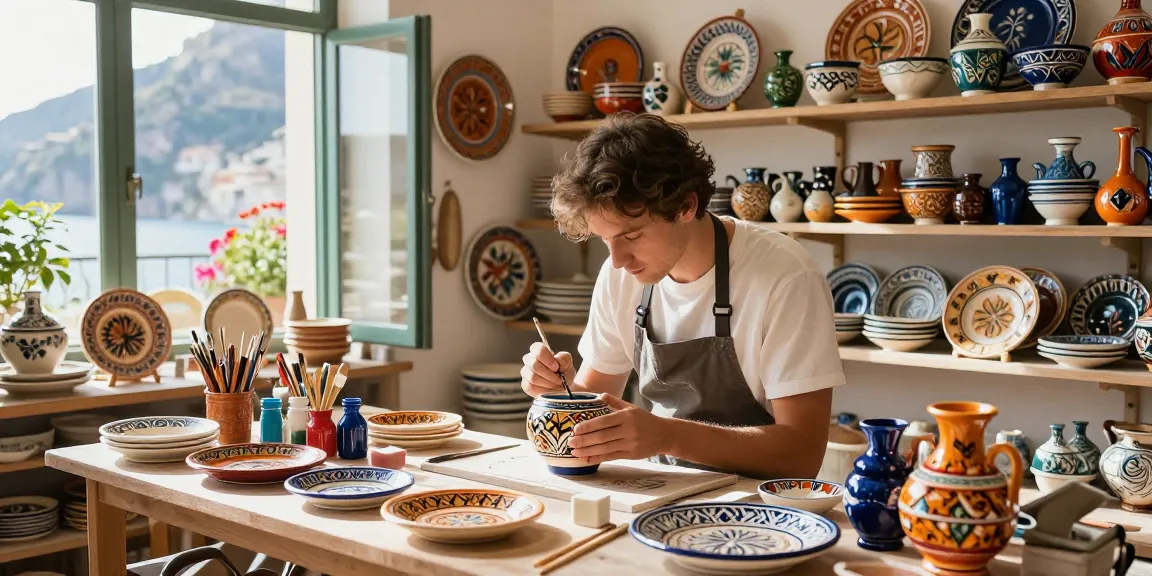
Italian ceramics are more than just functional items; they are a vibrant expression of Italy's rich cultural heritage and artisanal craftsmanship. From exquisite dinnerware to decorative tiles, these ceramic pieces embody the passion and creativity of Italian artisans. Each ceramic product tells a unique story, infused with centuries of tradition and innovation. As you explore the world of Italian Ceramics, you'll discover a plethora of styles and types that beautifully reflect Italy's diverse regions and artistic capabilities.
What Are Italian Ceramics?
Italian ceramics refer to a wide range of decorative and functional pottery that originates from various regions in Italy. These ceramics are crafted using traditional methods that have been passed down through generations, making each piece distinct. Traditional Italian ceramic styles include majolica, which is characterized by colorful glazes and intricate designs, and terracotta, known for its rustic charm. Whether used for daily dining or as decorative art pieces, Italian ceramics showcase both beauty and utility.
Key Characteristics of Authentic Italian Ceramics
Authentic Italian ceramics exhibit several key characteristics that distinguish them from mass-produced alternatives:
- Handcrafted Quality: Each piece is typically handmade, ensuring that every item is unique.
- Vibrant Colors: The use of rich glazes and bold colors reflects the vibrant culture of Italy.
- Durability: Crafted from high-quality clay and fired at high temperatures, these ceramics are designed to last.
- Cultural Heritage: Many designs are inspired by local art, history, and folklore, providing a glimpse into the regional identity.
History and Cultural Significance of Italian Ceramics
The history of Italian ceramics dates back to ancient times, where pottery played a significant role in daily life. From the Etruscans and Romans to the Renaissance, pottery evolved, reflecting the artistic advancements of each era. The cultural significance of these ceramics is evident in their use during important events and festivals across Italy, where pottery is not just a craft but a form of artistic expression.
Types of Italian Ceramics Products
Exploring the various types of Italian ceramics reveals a fascinating array of products, each with its own purpose and artistic flair. From purely decorative items to functional kitchenware, the categories are numerous and diverse.
Exploring Deruta Ceramics: A Regional Specialty
Deruta, a town in the Umbria region, is renowned for its distinctive ceramic style, known for its intricate designs and vibrant colors. These ceramics often feature floral patterns, mythological figures, and geometric shapes, making them highly sought after both in Italy and internationally. Deruta ceramics are synonymous with quality and craftsmanship, elevating any dining experience or home decor.
Popular Styles of Italian Ceramics and Their Uses
Italian ceramics come in various styles, each serving different functions:
- Majolica: Often used for decorative plates, bowls, and tiles, this style is known for its colorful glazes.
- Terracotta: Ideal for pots and cookware, this rustic style is perfect for both modern and traditional kitchens.
- Raffaellesco: Named after the painter Raphael, this style features blue and yellow motifs, typically used in tableware.
Gift Ideas Featuring Italian Ceramics
Given their beauty and functionality, Italian ceramics make excellent gifts for various occasions:
- Home Decor Items: Decorative bowls or vases can brighten up any room.
- Kitchenware: A set of beautifully painted plates or ceramic serving dishes can enhance dining experiences.
- Tile Artwork: Unique ceramic tiles can be framed or used in home renovations for a touch of Italy.
Craftsmanship Behind Italian Ceramics
The craftsmanship involved in creating Italian ceramics is a meticulous process that combines traditional techniques and artistic vision. Each step is crucial to ensure the final product is both durable and beautiful.
The Pottery-Making Process Explained
The pottery-making process typically involves several stages:
- Forming: Clay is shaped into the desired form using potter's wheels or molds.
- Drying: The shaped pieces are left to dry to a leather-hard state before being fired in a kiln.
- Glazing: After the first firing, a layer of glaze is applied for color and finish.
- Final Firing: The glazed pieces undergo a second firing to set the colors and make them durable.
Famous Artisans and Their Techniques
Italy is home to many renowned artisans who have perfected their craft over the years. Some notable figures include:
- Giorgio Pilla: Known for his innovative designs that blend traditional and modern aesthetics.
- Carla Sgambati: Famed for her detailed hand-painted ceramics, bringing stories and landscapes to life.
- Maestri Ceramisti: These master potters continue to teach and preserve age-old techniques used in their craft.
Quality Control in Italian Ceramics Production
Quality control is paramount in the production of authentic Italian ceramics. Artisans meticulously inspect each piece during and after the manufacturing process to ensure it meets high standards of durability, finish, and design. This rigorous attention to detail ensures that only the finest ceramics reach the market.
Caring for Your Italian Ceramics
To maintain the beauty and integrity of your Italian ceramics, proper care is essential. Here are vital tips for ensuring your pieces remain in pristine condition.
Best Practices for Cleaning and Maintenance
Cleaning your ceramics should be done with care to avoid damaging the glaze:
- Use mild soap and warm water for hand washing.
- Avoid harsh chemicals and abrasive scrubbers.
- Allow pieces to air dry completely before storing.
How to Store Your Ceramics Safely
Storage is crucial to prevent damage:
- Store ceramics in a dry place, away from direct sunlight.
- Use padded boxes or soft cloths to separate items to avoid scratches.
- Avoid stacking heavy items on top of delicate ceramics.
Tips for Displaying Italian Ceramics at Home
To showcase the beauty of your Italian ceramics, consider the following tips:
- Use open shelves or glass cabinets to allow for visibility.
- Mix and match various styles for an eclectic display.
- Incorporate ceramics into your table settings for a functional yet aesthetic presentation.
The Future of Italian Ceramics in 2026
As we look ahead to 2026, the world of Italian ceramics is poised for exciting developments influenced by trends in design and user preferences. The landscape is evolving as artisans adapt to modern tastes while preserving tradition.
Trends in Design and User Preferences
Emerging trends in Italian ceramics include an increased focus on sustainable materials and eco-friendly practices. Consumers are becoming more aware of the environmental impact of their purchases, and many artisans are responding by using locally sourced materials and traditional techniques.
Innovation in Craftsmanship and Materials
Innovation continues to play a pivotal role in the evolution of Italian ceramics:
- New glazing techniques enhance durability and color vibrancy.
- Integration of technology in design allows for unique patterns and shapes unattainable by hand alone.
- Collaborations between artisans and modern designers are creating exciting new collections.
How to Choose the Right Italian Ceramics for You
Choosing the right ceramics involves understanding your personal style and needs:
- Consider the intended use—decorative vs. functional.
- Think about the size and scale in relation to your space.
- Evaluate the design and colors to ensure they complement your existing decor.
What Makes Italian Ceramics Unique?
Italian ceramics stand out due to their rich history, artistic diversity, and the passion of the artisans behind them. Each piece is not just a product but a story embedded with culture, tradition, and craftsmanship that spans generations.
Why Invest in Authentic Italian Ceramics?
Investing in authentic Italian ceramics provides numerous benefits:
- Timeless beauty that enhances your home.
- Functional art that can be used daily.
- Support for artisans and preservation of traditional crafts.