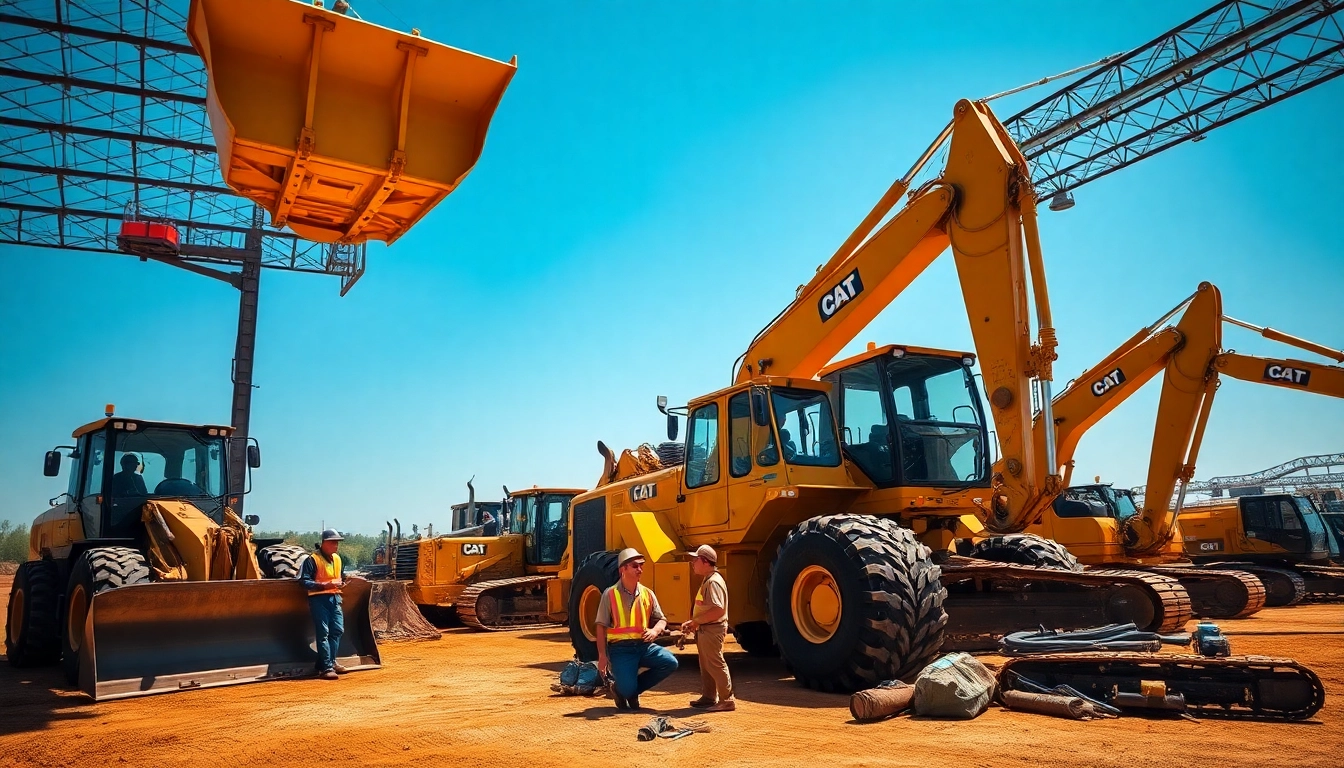
Understanding Work Zone Safety for Colorado Contractors
In the realm of construction and roadwork, ensuring safety in work zones is paramount. Work zone safety not only protects the workers on-site but also the drivers and pedestrians in the vicinity. For work zone safety colorado contractors, understanding the intricacies of this issue is essential for any project manager or contractor's toolkit. The complexities of work zone safety encompass regulations, potential hazards, and best practices that are critical for effective implementation.
What is Work Zone Safety?
Work zone safety refers to the measures and protocols implemented in temporary construction sites to safeguard both the workforce and the general public from hazards. These work zones can range from small public works projects to extensive highway renovations. Proper measures extend to traffic management, signage, personal protective equipment (PPE), and the training of personnel involved in the project.
Importance of Safety Protocols
Implementing safety protocols in work zones is crucial for a myriad of reasons. First and foremost, these protocols are designed to minimize accidents and fatalities. With numerous vehicles and personnel operating simultaneously, the risk for accidents escalates significantly. Moreover, adhering to advanced safety procedures can save contractors considerable financial resources by reducing downtime, avoiding legal implications, and minimizing insurance costs.
Common Hazards in Work Zones
Understanding the predominant hazards present in work zones allows contractors to develop preemptive strategies. These hazards typically include:
- Moving Vehicles: Often, construction zones are near active roadways with fast-moving traffic. Improperly managed traffic can lead to severe accidents.
- Construction Equipment: Heavy machinery can pose risks if not handled properly, leading to accidents both on-site and nearby.
- Falling Objects: Tools or materials may fall from elevated scaffolding or trucks, posing a danger to workers and passing pedestrians.
- Improper Signage: Lack of or unclear signage can confuse drivers and lead to hazardous situations.
- Weather Conditions: Rain, snow, or extreme temperatures can complicate tasks and heighten accident risk.
Key Regulations for Colorado Contractors
For contractors in Colorado, it is vital to stay well-informed regarding the applicable regulations that govern work zone safety. These regulations can be state-specific or aligned with federal guidelines, ensuring compliance across various work environments.
Colorado State Safety Regulations
The Colorado Department of Transportation (CDOT) oversees the stipulations surrounding work zone safety within the state. Contractors must familiarize themselves with the Colorado Revised Statutes and applicable CDOT regulations. These directives aim to provide consistency in safety practices, with requirements such as visibility for signage, the use of PPE, and proper barricading during construction.
Federal Guidelines and Compliance
In addition to state regulations, federal guidelines issued by the Occupational Safety and Health Administration (OSHA) also outline necessary compliance standards. These regulations cover a broad spectrum including employee training, safety measures related to construction equipment, and ensuring all worked areas are clearly delineated for both visibility and safety.
Permit Requirements for Work Zones
Before commencing any work that may disrupt traffic flow or pedestrian movement, contractors in Colorado must acquire the proper permits. These permits often involve detailed plans on how the work zone will be managed, including traffic detours and public notices regarding the work duration.
Essential Work Zone Safety Practices
Implementing effective work zone safety practices serves to protect all individuals involved or affected by construction activities. Here are some essential measures every contractor should adopt:
Use of Personal Protective Equipment (PPE)
The cornerstone of any safety program is ensuring that all workers wear appropriate PPE as mandated by both state and federal regulations. Essential PPE may include hard hats, high-visibility vests, safety goggles, gloves, and steel-toed boots. Establishing a culture that prioritizes PPE use can significantly reduce workplace injuries.
Traffic Control Measures and Signage
Effective traffic control is crucial. Contractors must utilize proper traffic control devices such as cones, barriers, and warning signs to regulate traffic flow and minimize confusion. The use of clear and well-placed signage communicates hazards to motorists and helps maintain a safe distance from the work area.
Training for Work Zone Safety
Conducting comprehensive training sessions is an absolute requirement for all employees operating in work zones. Workers should receive training on recognizing hazards, the importance of PPE, and emergency response procedures. Ensuring workers comprehend job site rules and safety practices fosters a culture of awareness and preparedness.
Evaluating Work Zone Safety Effectiveness
To ensure the ongoing efficacy of safety measures, regular evaluation is essential. This process involves assessing how well current practices are performing and areas that need improvement.
Performance Metrics to Consider
Several performance metrics can help gauge the effectiveness of work zone safety plans. Key indicators include:
- Incident Rates: Tracking the number of accidents or near-misses in the work zone can highlight risks or compliance issues.
- Downtime: Increases in downtime due to accidents or safety breaches can indicate ineffective safety measures.
- Worker Feedback: Engaging employees in discussions about safety practices can reveal critical insights into the work environment.
Conducting Safety Audits
Regular safety audits play a vital role in identifying gaps in safety management systems. During these audits, contractors should inspect PPE adequacy, traffic control setups, and overall site conditions. The outcomes of these audits will inform corrective measures and updates to safety protocols.
Regular Safety Training Sessions
Safety training should not be a one-time event but rather a continuous process. Periodic refresher courses ensure that workers remain aware of current best practices and safety protocols, adapting to changes in the regulatory landscape or operational methods.
Frequently Asked Questions on Work Zone Safety
What is the primary goal of work zone safety?
The primary goal of work zone safety is to protect workers and the public from accidents, ensuring smooth workflow and minimizing disruptions.
How can contractors reduce risks in work zones?
Contractors can reduce risks by implementing comprehensive safety training, utilizing proper PPE, and establishing clear traffic control measures.
Are there specific training programs for contractors?
Yes, specific training programs focus on best practices, hazard recognition, and regulatory compliance tailored to work zone safety.
What are the consequences of unsafe work zones?
Unsafe work zones can lead to serious accidents, injury or fatalities, legal penalties, increased insurance costs, and damage to a contractor's reputation.
How often should safety audits be conducted?
Safety audits should be conducted regularly, at least quarterly, or after any significant incident, to ensure ongoing compliance and safety effectiveness.