Understanding Equipment Transportation
What is Equipment Transportation?
Equipment transportation refers to the logistical process involved in moving various types of machinery and equipment from one location to another. This includes everything from construction tools to heavy machinery, agricultural implements, and specialized industrial equipment. The transportation process is crucial for ensuring that projects are executed on time and that equipment is available where and when it’s needed. In the world of equipment logistics, factors such as weight, size, and operating conditions play a critical role in how equipment transportation is planned and executed. Working with an experienced provider in equipment transportation can simplify these complexities and lead to more efficient operations.
Importance of Safe Equipment Transportation
The safety of transporting equipment is paramount for several reasons. Firstly, unsafe transport can lead to significant financial losses due to damage to the equipment itself. High-value items like excavators or generators require careful handling to avoid costly repairs or replacements. Moreover, safety breaches during transportation can pose risks to public safety, particularly when moving oversized loads along busy roads. Effective equipment transportation is not just about getting items from point A to point B; it involves ensuring that the equipment is securely loaded, transported, and unloaded to prevent accidents and guarantee the safety of both the equipment and public.
Types of Equipment Needing Transportation
Various types of equipment require specialized transportation services. This includes:
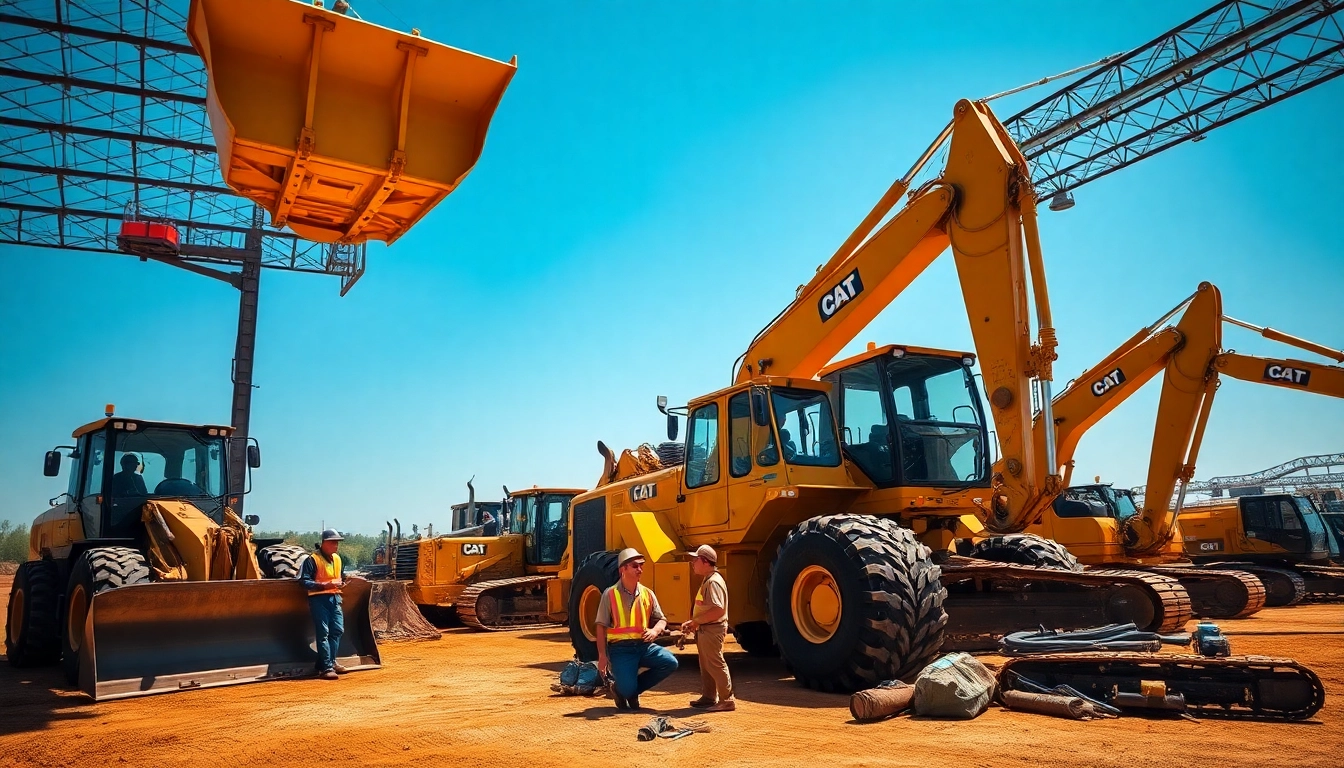
- Heavy Machinery: Excavators, bulldozers, and cranes often necessitate heavy hauling transport due to their weight and size.
- Construction Equipment: Items like concrete mixers and compactors must be transported safely to construction sites.
- Agricultural Equipment: Tractors, harvesters, and other farm machinery often require transportation during seasonal changes.
- Industrial Equipment: Specialized machinery like generators and HVAC units may need precise handling during transport.
- Vehicles and Trailers: Transporting vehicles often involves recovery and reliable transport to service locations.
Key Factors Influencing Equipment Transportation Costs
Distance and Location Considerations
One of the most significant factors affecting the cost of equipment transportation is the distance that needs to be covered. Longer distances often incur higher costs due to increased fuel consumption and labor hours. Additionally, geographical and logistical challenges—such as remote locations or urban congestion—can lead to amplified transport fees. Urban areas may require additional permits or incur tolls, whereas rural transport may require specialized equipment to navigate difficult terrain.
Type of Equipment and its Specifications
The type and specifications of the equipment also play a crucial role in determining transportation costs. Heavy equipment requires more robust transport vehicles and may require special handling or permits, which can drive costs higher. On the other hand, lighter, standard equipment can often be transported more easily and at lower costs. Additionally, equipment that requires disassembly for transport may increase overall expenses due to the extra labor involved. Furthermore, items that are considered oversized or overweight may need additional documentation and specialized vehicles, also influencing the costs.
Timing and Seasonal Impacts on Costs
Timing can affect equipment transportation costs significantly. Transporting equipment during peak seasons—such as spring for agriculture—may result in higher rates based on demand. Moreover, adverse weather conditions can create delays and affect transportation schedules, which may result in additional charges. Planning transportation during off-peak times can help reduce costs, provided it aligns with the availability of equipment and project timelines. For instance, scheduling during winter may provide cost benefits, but could raise other logistical concerns regarding ground conditions and accessibility.
Best Practices for Equipment Transportation
Choosing the Right Transportation Method
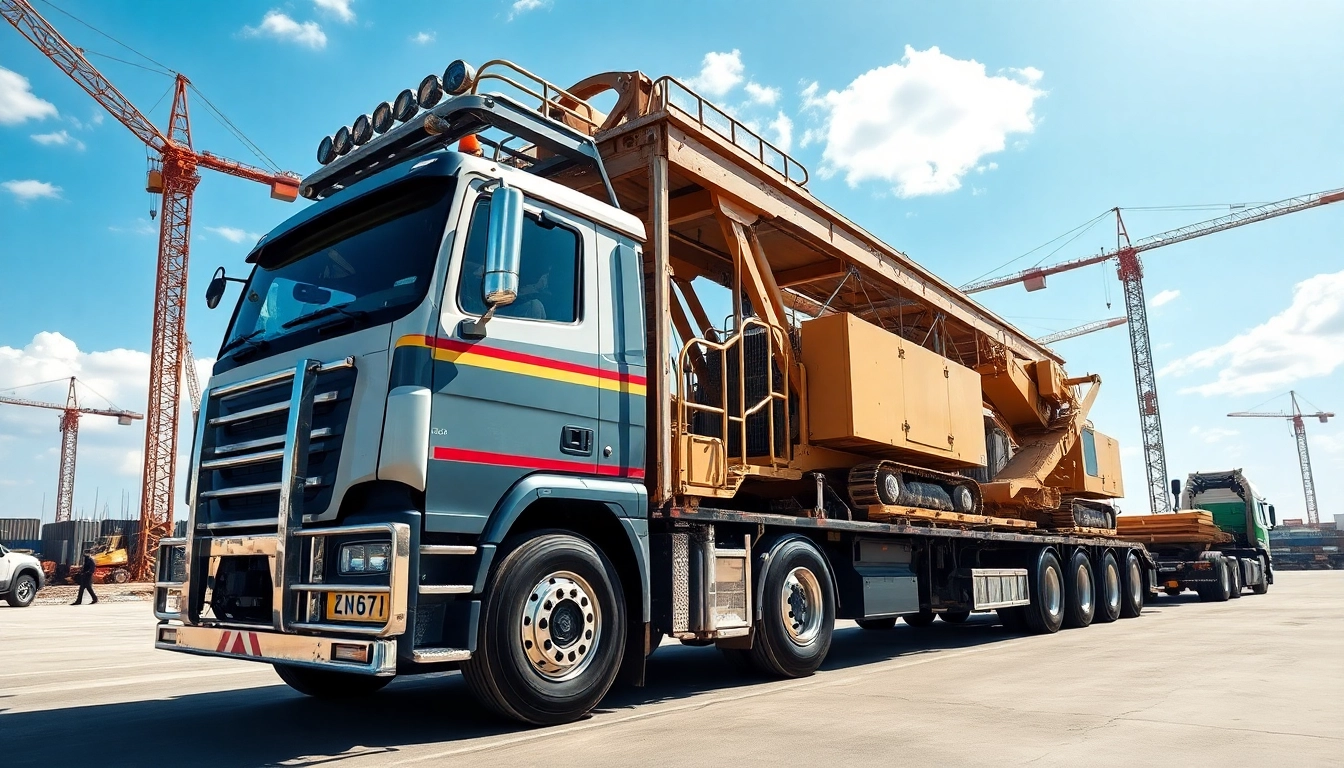
Selecting the appropriate transportation method is critical for ensuring that your equipment arrives safely and efficiently. Various modes of transport may be appropriate depending on the distance, type of equipment, and budget. Flatbed trucks may offer versatility for heavy machinery, while enclosed trailers might be suitable for equipment that requires additional protection during transit. Understanding the specific needs of your equipment will help you make informed decisions regarding the best transportation options.
Preparing Equipment for Safe Transport
Properly preparing equipment for transport is essential for preventing damage. This includes cleaning the equipment, ensuring it is in good working order, and removing any loose or non-secured parts. If necessary, proper disassembly should be conducted, and equipment should be secured using strong tie-downs and straps. Documentation like inspection logs may also help confirm that the equipment is fit for transport. Finally, conducting a pre-transport inspection to assess the condition of the equipment is crucial for accountability and minimizing potential damage claims.
Compliance with Regulations and Permits
Many jurisdictions require specific permits for transporting certain large or heavy items. Being aware of local, state, and federal regulations is essential to avoid penalties and ensure smooth transport. This often means preparing and filing the appropriate documentation before transport begins. Working with a logistics provider specializing in equipment transportation can streamline this process, ensuring that all necessary permits are secured ahead of time. Compliance minimizes risk and ensures that transportation operations adhere to legal expectations.
Technology and Equipment Transportation
Utilizing GPS and Tracking Systems
Advancements in technology have revolutionized equipment transportation, particularly through GPS and tracking systems. These technologies allow real-time monitoring of transport vehicles and the equipment they carry. With GPS, logistics managers can optimize routes to save fuel and time. Tracking systems also provide visibility for project managers to anticipate arrival times and help proactively address any potential delays. Enhanced visibility increases efficiency and improves coordination among various stakeholders involved in the transport process.
Communication Tools for Coordinated Transport
Efficient communication is vital for successful equipment transportation. Utilizing tools such as mobile apps and dedicated messaging platforms can help coordinate transport operations seamlessly. These communication channels enable real-time updates regarding equipment status, anticipated delays or issues, and logistics coordination among all parties involved. Establishing clear communication protocols between drivers, logistics managers, and clients ensures transparency and enhances overall operational effectiveness.
Innovation in Equipment Transportation Solutions
Innovative solutions continue to emerge in the equipment transportation sector, from automated shipping systems to drone surveillance for route optimization. These advancements aim to further enhance safety, efficiency, and cost-effectiveness. As technology evolves, transportation services that adapt and integrate innovative practices will likely improve their competitive edge. Keeping abreast of industry trends allows businesses to leverage new tools and methodologies for optimizing transport operations.
FAQs about Equipment Transportation
What types of equipment can be transported?
Equipment transportation can cover a broad spectrum, including heavy machinery, vehicles, agricultural tools, and industrial equipment, tailored to meet specific needs.
How is equipment transportation priced?
Pricing is typically influenced by factors such as distance, equipment type, transportation method, and any necessary permits, along with timing considerations.
What safety measures are taken during transport?
Safety measures include securing the load properly, utilizing specialized transport vehicles, conducting inspections, and adhering to all regulations and permits.
How can I prepare my equipment for transportation?
Preparation involves cleaning, securing any loose parts, ensuring it’s in functioning order, and conducting a pre-transport inspection to assess its condition.
What types of transportation vehicles are used?
Common vehicles include flatbed trucks, enclosed trailers, and specialized haulers designed for oversized or heavy loads, selected based on equipment needs.
Contact Information
Call Us: 4062607988Address: 3906 MT-40, Columbia Falls, MT 59912