Understanding Flathead Equipment Rental
What is Flathead Equipment Rental?
Flathead equipment rental refers to the temporary leasing of various types of construction, landscaping, and industrial equipment in the Flathead region. This service caters to contractors, builders, and homeowners needing reliable machinery without the high upfront costs associated with purchasing equipment. By opting for flathead equipment rental, users can meet their project demands effectively, leveraging professional-grade tools without long-term commitments.
Benefits of Using Flathead Equipment
Utilizing flathead equipment rental offers numerous advantages:
- Cost Efficiency: Renting eliminates the need for large capital expenditure, allowing budget-conscious users to allocate funds where they are most needed.
- Access to Modern Equipment: Rental services often provide the latest models and technology, ensuring higher efficiency and better project outcomes.
- Flexibility: Renting offers the flexibility to choose equipment that suits specific tasks and durations, which can be advantageous for fluctuating project demands.
- Reduced Maintenance Costs: Most rental companies maintain equipment, thereby reducing the user's responsibility for upkeep.
Types of Equipment Offered for Rental
The range of equipment available for rental varies widely to accommodate different project needs. Common categories include:
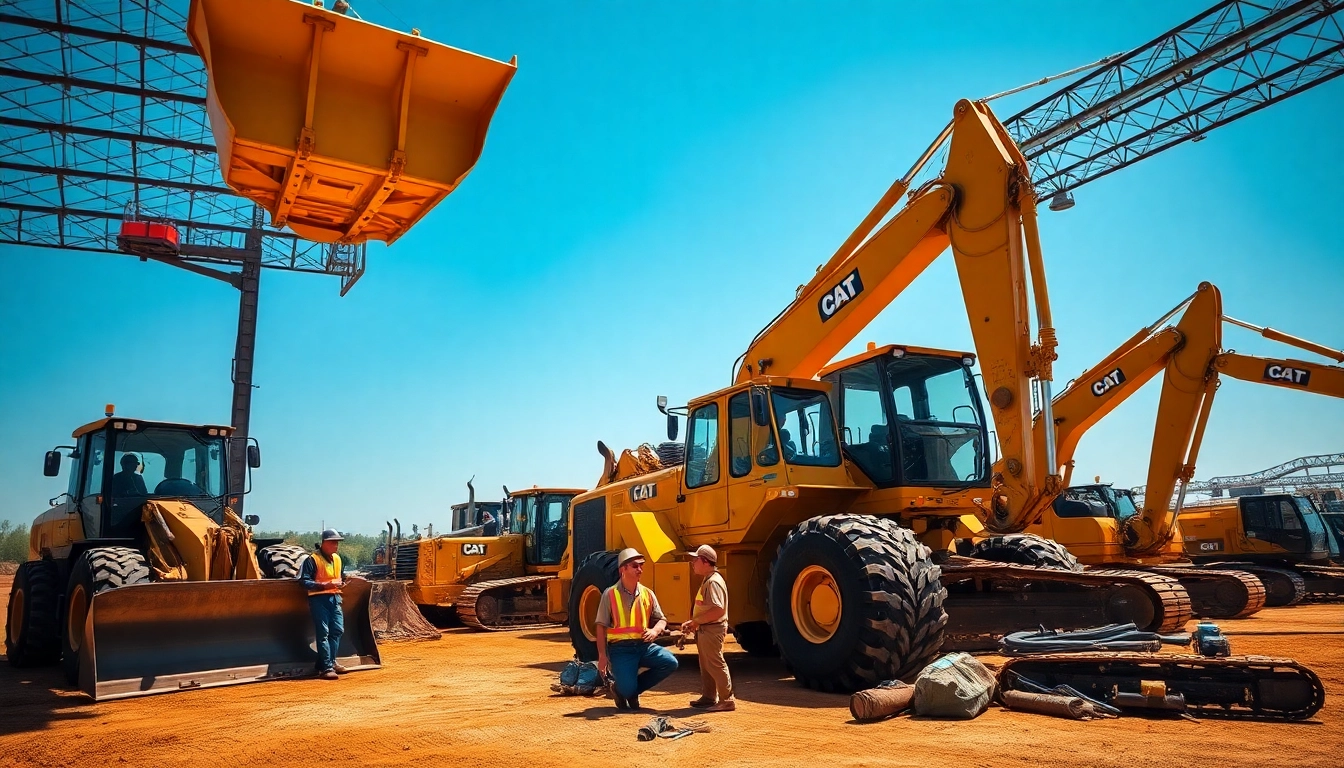
- Heavy Machinery: Excavators, bulldozers, and backhoes.
- Construction Tools: Generators, scaffolding, and concrete mixers.
- Landscaping Equipment: Lawn mowers, tillers, and wood chippers.
- Safety Equipment: Harnesses, helmets, and protective gear.
Choosing the Right Equipment
Assessing Your Project Requirements
Before renting equipment, it's critical to assess the project scope. Consider the following:
- Project Size: Determine how large the project is and what specific tasks need to be completed.
- Terrain and Environment: Analyze the work environment and select equipment that is suitable for the conditions such as weather or ground type.
- Duration: Estimate how long you will need equipment to make informed decisions about rental times.
Match Your Needs with Available Rentals
After assessing project requirements, consult with rental agencies to find equipment that fits your needs. It's beneficial to ask questions such as:
- What are the specifications of the equipment?
- Are there operator manuals or guides provided?
- Can additional attachments or tools be rented?
Cost Considerations for Equipment Rental
Understanding rental costs is crucial for budgeting. Consider the following:
Rental fees can vary based on the type of equipment, duration of rental, and demand. Additionally, some companies may charge delivery fees or require deposits. Always ask for a detailed quote and inquire about any hidden fees to avoid surprises.
How to Rent Flathead Equipment
Steps to Secure Your Rental
Renting flathead equipment involves a few straightforward steps:
- Research: Begin by researching local rental companies and the equipment they offer.
- Request Quotes: Contact multiple rental agencies for pricing and availability.
- Visit the Rental Location: If possible, visit in person to inspect equipment and make informed choices.
- Finalize Your Selection: Decide on the equipment you need and confirm availability.
Documentation and Agreements
Once you've selected the equipment, you will need to provide certain documentation. Generally, this includes:
- Valid identification
- Proof of insurance (if required)
- Payment details
It's also critical to read and understand the rental agreement fully before signing to know your responsibilities and liabilities.
Pickup and Delivery Options
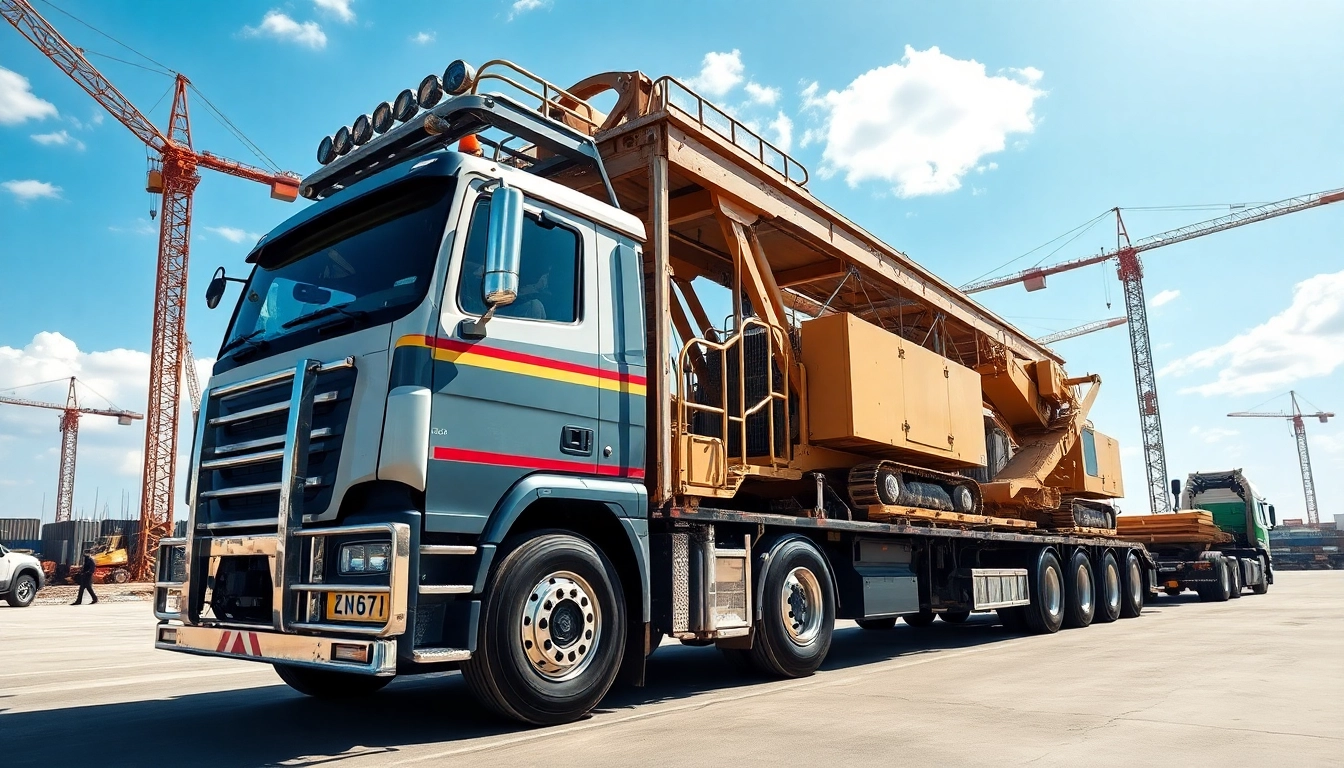
Consider how you'll get the equipment to your project site. Many rental companies offer:
- Pickup: You can pick up the equipment yourself, giving you immediate control.
- Delivery: Rental companies often deliver equipment to the site, saving time and effort.
Choose whichever option best fits your logistical needs, especially considering project timelines.
Best Practices for Equipment Use
Safety Guidelines When Operating Equipment
Safety should always be a priority when using rental equipment. Adhere to these best practices:
- Always read the equipment manual before operation.
- Use personal protective equipment (PPE) as recommended.
- Ensure all safety mechanisms are functioning properly before starting the equipment.
Maintenance Tips During Rental Period
While you may not be responsible for full maintenance, follow these tips to keep equipment in good condition:
- Perform routine checks for leaks or malfunctions.
- Clean equipment after use to prevent damage.
- Report any issues to the rental company immediately.
Efficient Usage Strategies
To maximize productivity while using rental equipment, consider these strategies:
- Develop a clear plan that outlines tasks and timelines.
- Coordinate with team members to ensure everyone understands equipment operations.
- Look for opportunities to combine tasks to reduce unnecessary equipment use.
FAQs About Flathead Equipment Rental
What types of flathead equipment are available for rent?
Flathead equipment rentals typically include heavy machinery, construction tools, landscaping equipment, and safety gear, catering to various project needs.
How do rental fees work for flathead equipment?
Rental fees for flathead equipment depend on equipment type, rental duration, and any added services, like delivery or insurance.
Are there deposit requirements for renting flathead equipment?
Most rental companies require a deposit to secure the rental, the amount of which may vary based on equipment type and rental term.
What is the procedure for returning rented equipment?
To return rented equipment, clean it fully, ensure it is in good working order, and follow the rental company's specified return procedures.
Do I need insurance for rented flathead equipment?
Insurance requirements vary by rental agency; some may require it while others may offer it as an optional add-on for additional protection.